Bull Fighting: Complete Guide (Madrid, Spain & Worldwide)

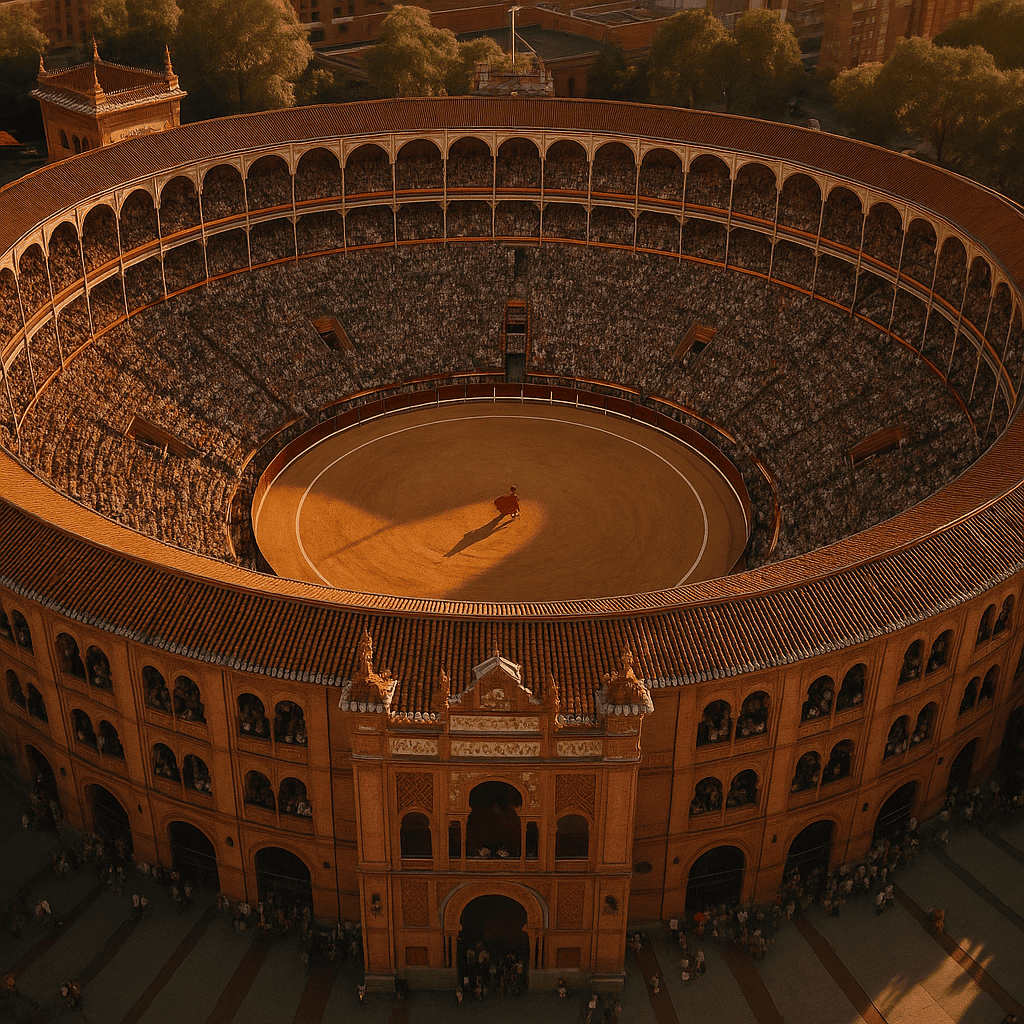
Bull fighting represents one of humanity’s most captivating and enduring spectacles, blending centuries-old traditions with breathtaking displays of courage and artistry. As the ultimate destination for authentic bullfighting experiences, Madrid stands unrivaled as the global epicenter where legends are born and careers are defined. For those seeking to witness this extraordinary art form at its finest, madridbullfighting.com provides exclusive access to the world’s most prestigious arena – Las Ventas.
From the thunderous applause echoing through ancient stone amphitheaters to the silent tension that grips audiences during a matador’s final approach, bull fighting transcends mere entertainment to become a profound cultural journey. This comprehensive guide unveils everything you need to know about experiencing bullfighting at its most authentic level, whether you’re planning your first visit or seeking to deepen your appreciation for this timeless tradition.
Understanding the Essence of Bull Fighting
Bull fighting, or “tauromaquia,” represents far more than a simple contest between human and animal. This ancient art form embodies a complex tapestry of skill, tradition, and cultural expression that has evolved over millennia. The modern bullfight follows precise ritualistic protocols that transform each performance into a carefully choreographed dance of life and death.
The origins of bull fighting trace back to ancient Mediterranean civilizations, where bull-related ceremonies held deep spiritual and cultural significance. The Minoans of Crete practiced bull-leaping rituals, while Roman amphitheaters witnessed various forms of bull contests. However, the refined artistry we recognize today emerged in 18th-century Spain, where visionary toreros developed the elegant cape techniques and ceremonial elements that define contemporary bullfighting.
Minutes per Individual Fight
Each bull fighting performance unfolds through three distinct acts called “tercios,” each serving a specific purpose in the overall dramatic narrative. The first tercio introduces the bull and allows the matador to study its behavioral patterns and fighting characteristics. The second tercio involves the artistic placement of banderillas, colorful barbed sticks that slow the bull while maintaining its aggressive spirit. The final tercio showcases the matador’s ultimate skill as he attempts to execute a perfect kill with sword and cape.
🎭 Cultural Context
Understanding bull fighting requires appreciation for its role as living theater. Each performance tells a story of courage, artistry, and the eternal struggle between civilization and wild nature. The matador’s cape work, timing, and grace create a ballet-like spectacle that has inspired artists, writers, and musicians for centuries.
Why Madrid Reigns Supreme in Bull Fighting
Madrid’s dominance in the bull fighting world stems from its legendary Las Ventas arena, universally recognized as the ultimate proving ground for matadors worldwide. This magnificent venue, officially known as Plaza de Toros de Las Ventas del Espíritu Santo, represents the pinnacle of bullfighting excellence where careers are made and legends are born.

The arena’s capacity of 23,798 spectators creates an atmosphere unmatched anywhere in the bullfighting world. The neo-Mudéjar architecture, featuring intricate brickwork and ceramic tile details, provides a stunning backdrop for the dramatic performances within. The venue’s acoustics amplify every sound, from the initial trumpet call to the thunderous applause that greets exceptional performances.
What truly sets Madrid apart in bull fighting is the sophistication and knowledge of its audience. Las Ventas crowds are renowned as the most discerning and critical in the world, capable of recognizing subtle technical nuances that escape casual observers. Success here guarantees international recognition and lucrative contracts across the global bullfighting circuit. Conversely, failure in Las Ventas can effectively end promising careers.
The venue’s prestigious San Isidro festival represents the sport’s most important annual event, attracting top matadors from Spain, Latin America, and France. During this six-week celebration from May to June, bull fighting reaches its absolute peak, with daily performances featuring the world’s finest toreros competing for glory and recognition.
📊 Booking Reality Check
Madrid’s supremacy in bull fighting creates unprecedented demand for tickets. Premium seats for major events sell out within minutes of release, while general admission tickets disappear within hours. Early booking through madridbullfighting.com remains the only reliable way to secure access to these world-class performances.
Premier Bull Fighting Destinations Worldwide
While Madrid dominates the bull fighting landscape, several other venues across Spain, France, and Latin America offer unique and compelling experiences. Each destination brings its own cultural flavor and regional traditions to this ancient art form.
Sevilla’s Real Maestranza
Dating from 1761, this venue combines intimate atmosphere with stunning architecture. The April Fair creates magical evenings filled with Andalusian passion and flamenco-influenced cape work. The intimate setting allows spectators to hear every movement of cape and sword.
Nîmes Roman Amphitheater
Built in 70 AD, this remarkable venue offers the unique experience of witnessing modern bull fighting in an authentic Roman setting. The ancient stones create unparalleled historical atmosphere while hosting world-class performances during the annual Feria.
Mexico City’s Plaza México
The world’s largest bullring with 41,262 seats creates spectacular acoustic effects and intense crowd energy. Mexican bullfighting emphasizes dramatic cape work and crowd interaction, often featuring mariachi accompaniment and distinctive ceremonial elements.
Lima’s Historic Acho
South America’s oldest bullring (1766) maintains colonial-era traditions while showcasing unique Peruvian bullfighting styles. The Lord of Miracles festival creates Peru’s most important bullfighting season, blending religious celebration with sporting excellence.
Regional Variations in Bull Fighting
Each region has developed distinctive characteristics that enrich the global bull fighting experience. Spanish venues emphasize technical precision and traditional protocols, while French bullfighting incorporates sophisticated wine and culinary traditions. Latin American arenas often feature more spectacular cape work and enthusiastic crowd participation.
| Destination | Peak Season | Distinctive Feature | Capacity | Booking Difficulty |
|---|---|---|---|---|
| Madrid, Spain | May-June | Ultimate technical precision | 23,798 | Extremely High |
| Sevilla, Spain | April | Intimate Andalusian atmosphere | 12,500 | High |
| Nîmes, France | May-September | Roman historical setting | 13,000 | Moderate |
| Mexico City | November-March | Spectacular crowd energy | 41,262 | Moderate |
Bull Fighting Seasonal Calendar & Events
Understanding the bull fighting calendar is crucial for planning the ultimate experience. Different regions follow distinct seasonal patterns influenced by weather, religious celebrations, and cultural traditions. The timing of your visit can dramatically affect the quality of performances and overall atmosphere.
Spring Season: The Heart of Bull Fighting
Spring represents the pinnacle of bull fighting activity across Europe. Madrid’s San Isidro festival dominates May and June, featuring daily performances with the world’s top matadors. This period sees the highest concentration of exceptional talent and creates the most competitive atmosphere in the sport.
Sevilla’s April Fair coincides with perfect weather and the city’s most important cultural celebrations. The combination of bullfighting, flamenco, and Andalusian hospitality creates an unforgettable cultural immersion. French venues like Nîmes and Arles begin their seasons during this period, offering cooler temperatures and smaller crowds.
Summer Festivals and Celebrations
Summer bull fighting brings intense heat but also spectacular festivals throughout Spain and southern France. Pamplona’s San Fermín creates the world’s most famous bullfighting celebration, combining the running of the bulls with evening corridas. The festival atmosphere transforms the entire city into a continuous celebration of courage and tradition.
Valencia’s July festival integrates bullfighting with the region’s distinctive cultural traditions. Mediterranean influences create unique ceremonial elements and local culinary specialties that enhance the overall experience.
🗓️ 2026 Season Preview
The upcoming 2026 bull fighting season promises exceptional performances starting in March. Early indicators suggest several major anniversaries and special celebrations will make this year particularly memorable. Ticket demand is expected to be unprecedented, making advance booking through professional channels more important than ever.
Autumn and Winter Seasons
Autumn bull fighting often features more experimental approaches as established matadors test new techniques and emerging talent seeks breakthrough performances. Madrid’s autumn season provides excellent opportunities to see rising stars before they achieve international recognition.
Latin American venues maintain active schedules during European winters. Mexico’s season peaks from November through March, offering perfect weather and spectacular performances. The timing allows European and Spanish matadors to extend their seasons while experiencing different cultural approaches to bullfighting.

Complete Venue Guide & Seating Strategies
Selecting the right seats can transform your bull fighting experience from good to extraordinary. Understanding venue layouts, seating categories, and strategic positioning ensures maximum enjoyment and value for your investment in this cultural experience.
The Sun vs. Shade Decision
The choice between sun (sol), shade (sombra), and mixed (sol y sombra) seating represents the most critical decision for bull fighting attendance. This choice affects not only comfort but also your ability to fully appreciate the artistic elements of each performance.
Sol (Sun) Seating: These most affordable options expose you to direct sunlight throughout the performance. Summer events can become uncomfortably hot, potentially distracting from the action. However, budget-conscious visitors often choose sol seats for their accessibility and authentic experience alongside passionate local fans.
Sombra (Shade) Seating: Premium seats protected from direct sunlight provide optimal comfort for extended viewing. These locations command higher prices but offer superior sightlines and protection from weather elements. Serious aficionados and first-time visitors benefit most from sombra positioning.
Sol y Sombra (Mixed) Seating: These mid-range options transition from sun to shade during afternoon performances. They offer compromise between price and comfort, particularly effective for spring and autumn events when temperatures remain moderate.
Proximity and Perspective Options
Distance from the action dramatically affects your bull fighting experience. Different seating levels offer distinct advantages depending on your priorities and experience level.
Barrera (Front Row): These premium positions provide unmatched proximity to the action, allowing you to hear cape movements, matador breathing, and bull hoofbeats. The intensity can be overwhelming for newcomers but offers unparalleled connection to the performance.
Tendido (General Admission): Multiple rows of general seating form the arena’s main audience area. These seats balance cost with good views while providing authentic atmosphere alongside knowledgeable local spectators who enhance the experience through their reactions and commentary.
Andanada (Upper Level): Higher seating offers panoramic views of the entire arena, excellent for photography and understanding overall patterns of movement. While distant from individual details, these positions provide strategic perspective on the complete performance.
💡 Professional Seating Advice
For your first bull fighting experience, invest in sombra seating in the tendido level. This combination provides comfort, good views, and manageable intensity while allowing you to learn from experienced spectators around you. Avoid front-row seats until you understand your comfort level with the sport’s intensity.
Essential Preparation for First-Time Visitors
Proper preparation enhances every aspect of your bull fighting experience. From understanding dress codes to knowing when to applaud, these insights help newcomers navigate this complex cultural tradition with confidence and respect.
Dress Code and Cultural Etiquette
Traditional bull fighting venues maintain certain expectations for visitor appearance and behavior. While not strictly enforced, following these guidelines demonstrates cultural respect and enhances your overall experience.
Men typically wear suits, dress shirts with ties, or smart casual attire depending on the venue’s formality. Women choose elegant dresses, blouses with dress pants, or sophisticated casual wear. Avoid shorts, flip-flops, tank tops, or overly casual clothing that might seem disrespectful to this cultural tradition.
Behavioral etiquette includes standing during opening ceremonies, remaining quiet during crucial moments, and understanding applause protocols. Different types of applause signal approval of various performance elements – from technical skill to artistic expression to courage in dangerous moments.
Timing and Logistics
Successful bull fighting attendance requires careful attention to timing and logistical details. Spanish events traditionally begin at specific times based on season and tradition, with summer events starting later to avoid extreme heat.
Arrive at least 45 minutes before scheduled start times to navigate parking, security, and seating. Many venues still operate with traditional protocols that can confuse first-time visitors. Programs sold at entrances provide essential information about participating matadors and bulls.
What to Bring
- Sun protection (hats, sunglasses, sunscreen)
- Seat cushions for stone seating comfort
- Cash for vendors and programs
- Light jacket for evening temperature changes
What to Leave Behind
- Large bags (security restrictions apply)
- Professional cameras (check venue policies)
- Food and drinks (vendors available inside)
- Noisy items that might disturb performances
Managing Expectations and Intensity
Bull fighting contains moments of considerable intensity that can surprise unprepared visitors. Understanding the sport’s nature helps you prepare mentally and emotionally for this powerful cultural experience. The combination of artistry, danger, and tradition creates emotions ranging from awe to concern.
Consider your personal comfort level with traditional blood sports before purchasing tickets. Some venues offer family-friendly sections with additional support services and more detailed explanations for newcomers to the cultural context.
Cultural Impact and Modern Perspectives
Contemporary bull fighting exists at the intersection of cultural preservation and evolving social values. Understanding various perspectives provides essential context for this complex cultural phenomenon that continues to generate passionate debate worldwide.
Supporters emphasize bullfighting’s role as intangible cultural heritage deserving protection. They highlight the artistry, centuries of tradition, and economic benefits supporting rural communities. The breeding and care of fighting bulls maintains genetic diversity and preserves ancient bloodlines that might otherwise disappear.
Critics focus primarily on animal welfare concerns, arguing that modern society should abandon practices causing animal suffering. Progressive alternatives seek to maintain cultural celebrations while eliminating animal involvement through modified festivals and artistic presentations.
❌ Common Misconception
Bull fighting is purely about violence and has no artistic merit or cultural significance.
✅ Cultural Reality
Bull fighting represents a complex art form combining athletic skill, cultural tradition, and artistic expression that has influenced literature, painting, and music for centuries.
Legal status varies significantly across different jurisdictions. Some regions have implemented complete bans, while others maintain strong legal protection as cultural heritage. Economic factors significantly influence these debates, as bullfighting generates substantial tourism revenue and supports traditional rural industries.
Professional Booking Guide & Insider Tips
Securing tickets for premium bull fighting events requires strategic approach and insider knowledge. The most prestigious performances sell out within minutes, making professional booking services essential for guaranteed access to world-class experiences.
Madrid Bullfighting provides exclusive access to Las Ventas tickets with professional guidance on seating selection, event timing, and cultural context. Their expertise ensures optimal experiences while navigating complex booking systems and language barriers.
Secure Your Bull Fighting Experience Today
Don’t miss the opportunity to witness authentic Spanish bullfighting at the world’s most prestigious venue. The 2026 season promises exceptional performances with limited availability.Book Premium Las Ventas Tickets Now
Insider Booking Strategies
Professional booking services offer several advantages beyond simple ticket access. They provide cultural context, seating recommendations based on experience level, and backup options when primary choices sell out. Group bookings often receive preferential treatment and additional services.
Timing your booking requires understanding release schedules and demand patterns. Major festivals announce schedules months in advance, but tickets typically release 6-8 weeks before events. Premium seats disappear immediately, while general admission may remain available longer.
100 Frequently Asked Questions About Bull Fighting
What is bull fighting?
Bull fighting is a traditional spectacle involving a matador facing a bull in an arena, combining artistry, athleticism, and cultural heritage in a dramatic performance that has evolved over centuries.
Where is the best place to see bull fighting?
Madrid’s Las Ventas arena is universally recognized as the world’s premier bull fighting venue, offering the highest quality performances and most prestigious atmosphere.
When is bull fighting season in Madrid?
Madrid’s bull fighting season runs from March through October, with the San Isidro festival in May-June representing the peak period for world-class performances.
How much do bull fighting tickets cost?
Tickets range from €15 for upper sun seats to €200+ for premium shade positions, depending on the event importance and seating location.
How far in advance should I book bull fighting tickets?
For major events, booking 2-3 months in advance is recommended, as premium seats can sell out within hours of release.
What should I wear to a bull fight?
Smart casual to formal attire is appropriate – men typically wear suits or dress shirts, women choose elegant dresses or blouses. Avoid shorts, flip-flops, or tank tops.
How long does a bull fight last?
A complete bull fighting event typically lasts 2-3 hours, featuring six individual fights of approximately 20 minutes each with intermissions.
Is photography allowed at bull fights?
Personal photography is generally permitted, but flash photography and professional equipment may be restricted. Check specific venue policies before attending.
Can children attend bull fights?
Age restrictions vary by venue, but parental discretion is advised due to the intense nature of the spectacle. Some venues offer family-friendly sections.
What is the difference between sol and sombra seating?
Sol (sun) seats are cheaper but expose you to direct sunlight, while sombra (shade) seats cost more but provide comfort and protection from sun and weather.
Do I need to speak Spanish to enjoy a bull fight?
No, the visual nature of bull fighting transcends language barriers, though understanding basic terminology enhances the experience.
What happens if it rains during a bull fight?
Bull fights are typically postponed or cancelled in heavy rain for safety reasons, with venues usually offering ticket exchanges for rescheduled events.
Are there vegetarian food options at bull fighting venues?
Most major venues offer various food options including vegetarian choices, though traditional Spanish cuisine predominates at concession stands.
What is the San Isidro festival?
San Isidro is Madrid’s most important bull fighting festival, running May-June with daily performances featuring the world’s top matadors competing for prestige.
How many bulls are used in a typical bull fight?
A complete bull fighting event features six bulls, with each bull facing one matador in individual contests lasting approximately 20 minutes.
What are the three parts of a bull fight called?
The three tercios are: Tercio de Varas (testing the bull), Tercio de Banderillas (placing barbed sticks), and Tercio de Muerte (the final act with cape and sword).
Who are the most famous matadors?
Legendary matadors include Manolete, El Cordobés, Paco Camino, and modern stars like José Tomás, though active performers change regularly.
What is a matador’s cape made of?
The matador’s cape (muleta) is made of red fabric attached to a wooden stick, designed for precise control and artistic movement during the performance.
Why do bulls charge at red capes?
Bulls are colorblind to red – they charge at the cape’s movement, not its color. The red color is traditional and helps hide bloodstains during the performance.
What is Las Ventas arena?
Las Ventas is Madrid’s world-famous bullring, the most prestigious venue in bull fighting, where success guarantees international recognition for matadors.
How are fighting bulls raised?
Fighting bulls are raised on specialized ranches called ganaderías, living freely in large pastures until age 4-6 when selected for arena performance.
What is the capacity of Las Ventas?
Las Ventas accommodates 23,798 spectators, making it the largest bullring in Spain and third-largest globally.
Is bull fighting legal everywhere in Spain?
Bull fighting is legal in most of Spain but banned in Catalonia. The Balearic Islands have restrictions, while it remains popular in Andalusia, Madrid, and other regions.
What training do matadors undergo?
Matadors typically train for 8-15 years, starting in bullfighting schools and progressing through amateur ranks before achieving professional status.
What is a novillero?
A novillero is an apprentice matador who faces younger bulls (novillos) while developing skills needed for full professional status as a matador de toros.
How dangerous is bull fighting?
Bull fighting carries significant risks – matadors face potential injury or death, with dozens of serious incidents occurring annually worldwide.
What happens to the bull after a fight?
Following traditional protocols, the bull’s meat is typically donated to charity or sold, with nothing wasted in respect for the animal’s sacrifice.
Can tourists buy bull fighting tickets at the arena?
While possible for some events, major performances sell out in advance. Professional booking services like madridbullfighting.com ensure guaranteed access.
What is a picador?
A picador is a mounted lancer who participates in the first tercio, testing the bull’s strength and characteristics while on horseback.
What are banderillas?
Banderillas are colorful barbed sticks placed into the bull’s shoulders during the second tercio to slow the animal while maintaining its fighting spirit.
How old are fighting bulls?
Fighting bulls are typically 4-6 years old when they enter the arena, having lived freely on ranches and developed natural strength and aggressiveness.
What is the paseíllo?
The paseíllo is the opening ceremony where matadors and their teams parade across the arena, presenting themselves to the crowd and officials.
Why is Madrid considered the world capital of bull fighting?
Madrid earned this title through Las Ventas’ prestige, the knowledge of its audiences, and the career-defining importance of performing successfully there.
What is an alternativa?
The alternativa is a formal ceremony where a novillero becomes a full matador de toros, traditionally held at Las Ventas for maximum prestige.
How are bull fighting judges chosen?
Experienced former matadors and bull fighting experts serve as judges, evaluating performances and ensuring adherence to traditional protocols.
What is a faena?
The faena is the matador’s final artistic performance with cape and sword, demonstrating skill, courage, and emotional connection with the bull.
Are there female matadors?
Yes, though rare, female matadors (toreras) have achieved professional status, with figures like Conchita Cintrón and Cristina Sánchez breaking gender barriers.
What is the economic impact of bull fighting?
Bull fighting generates significant tourism revenue, supports rural communities, and maintains traditional industries including breeding, crafts, and hospitality.
How do matadors learn their craft?
Matadors typically attend specialized schools, practice with young bulls, and apprentice under experienced professionals over many years of training.
What is a corrida de toros?
A corrida de toros is a formal bull fighting event featuring professional matadors facing mature fighting bulls according to traditional protocols.
How are seats numbered at Las Ventas?
Las Ventas uses a complex numbering system based on sections, rows, and individual seats. Professional booking services help navigate this system effectively.
What is a ganadería?
A ganadería is a ranch specializing in breeding fighting bulls, maintaining bloodlines and traditions passed down through generations of breeders.
Can I get refunds for cancelled bull fights?
Refund policies vary by venue and reason for cancellation. Weather-related cancellations typically offer exchanges rather than refunds.
What is the best time of day for bull fighting?
Traditional afternoon start times (4-7 PM) provide optimal lighting and temperature conditions, varying by season and location.
Are there bull fighting museums?
Yes, major venues like Las Ventas feature museums displaying historic artifacts, costumes, and memorabilia celebrating bull fighting heritage.
What languages are bull fighting programs available in?
Major venues typically offer programs in Spanish and English, with some providing French, German, or other languages depending on tourist demographics.
How do I recognize good bull fighting technique?
Quality technique involves smooth cape work, precise timing, artistic positioning, and the matador’s ability to control and direct the bull’s movements.
What is a torero?
Torero is the general term for anyone who fights bulls professionally, including matadors, banderilleros, and picadors.
How are fighting bulls different from regular cattle?
Fighting bulls are specially bred for aggression, strength, and courage, living wild on ranches and maintaining genetic traits developed over centuries.
What is the role of music in bull fighting?
Traditional brass bands provide musical accompaniment, with specific pieces marking different phases of the performance and celebrating exceptional moments.
Can I bring food and drinks to bull fights?
Most venues prohibit outside food and beverages but offer concessions selling traditional Spanish fare and refreshments throughout the arena.
What is a temporada taurina?
A temporada taurina is a bull fighting season, typically lasting several months and featuring regular performances at a particular venue.
How do weather conditions affect bull fights?
Wind, rain, and extreme temperatures can impact performances, with safety taking priority over scheduled events when conditions become dangerous.
What is a sword handler in bull fighting?
The sword handler (mozo de espadas) is responsible for maintaining and presenting the matador’s equipment, including swords, capes, and other tools.
Are there bull fighting schools for tourists?
Some regions offer tourist experiences including basic bull fighting instruction with young bulls or mechanical training devices for educational purposes.
What is the significance of the matador’s costume?
The traje de luces (suit of lights) represents tradition and artistry, with elaborate embroidery and symbolic elements that can cost thousands of euros.
How do I learn bull fighting terminology?
Many venues provide glossaries, and specialized books or websites offer comprehensive terminology guides for understanding the sport’s unique vocabulary.
What is a rejoneador?
A rejoneador is a mounted matador who performs the entire bull fight on horseback, demonstrating exceptional equestrian and bull fighting skills.
Can I visit bull fighting ranches?
Some ganaderías offer guided tours where visitors can observe fighting bulls in their natural environment and learn about breeding practices.
What is a festival taurino?
A festival taurino is a special bull fighting event often featuring charity fundraising, veteran matadors, or unique formats different from regular corridas.
How do matadors retire?
Matadors typically announce formal retirement through special farewell performances, though many continue participating in festivals or teaching.
What is the psychological aspect of bull fighting?
Bull fighting involves intense mental preparation, fear management, and the ability to remain calm under extreme pressure while making split-second decisions.
Are there different styles of bull fighting?
Regional styles vary significantly, from Spanish classical technique to Mexican spectacular displays to French traditional approaches influenced by local culture.
What is a cuadrilla?
A cuadrilla is the matador’s team, including banderilleros, picadors, and support staff who assist throughout the performance.
How are bull fighting awards determined?
Judges and audience reactions determine awards like ears, tail, or ceremonial recognition based on the quality and artistry of each performance.
What happens during intermissions?
Intermissions allow arena maintenance, refreshment purchases, and audience discussion of performances while preparing for subsequent fights.
Can I meet matadors after performances?
Some venues offer VIP experiences including meet-and-greet opportunities, though access depends on performance outcomes and matador availability.
What is the medical support at bull fights?
Professional medical teams with specialized trauma experience attend all bull fights, equipped to handle injuries to both matadors and support staff.
How do I understand bull fighting scoring?
Bull fighting doesn’t use numerical scoring but judges performances on artistic merit, technical skill, and courage demonstrated throughout each tercio.
What is a novillada?
A novillada features apprentice matadors (novilleros) facing younger bulls, serving as training events and opportunities for developing talent.
Are there bull fighting documentaries?
Numerous documentaries explore bull fighting from cultural, artistic, and controversial perspectives, offering educational context for the tradition.
What is the difference between Spanish and Mexican bull fighting?
Spanish bull fighting emphasizes technical precision and tradition, while Mexican style features more spectacular displays and crowd interaction with musical accompaniment.
How do I buy authentic bull fighting memorabilia?
Venues typically sell authentic programs, photographs, and crafts, while specialized shops offer higher-quality memorabilia and collectibles.
What is a becerrada?
A becerrada is an amateur event featuring very young bulls and apprentice toreros, often used for charity fundraising or local celebrations.
Can I watch bull fighting on television?
Major bull fighting events are broadcast on Spanish television and streaming services, though live attendance provides the complete cultural experience.
What insurance do matadors carry?
Professional matadors typically carry specialized insurance covering career-ending injuries and medical expenses related to bull fighting activities.
How do I plan a bull fighting vacation?
Professional services like madridbullfighting.com offer complete packages including tickets, accommodation, cultural tours, and expert guidance for optimal experiences.
What is the environmental impact of bull fighting?
Fighting bull ranches maintain large natural preserves and traditional grazing practices that support biodiversity and rural ecosystem preservation.
Are there age limits for matadors?
While no formal age limits exist, most matadors begin training as teenagers and may continue performing into their 40s or 50s depending on physical condition.
What is a bull fighting critic?
Professional critics evaluate performances for newspapers and magazines, providing expert analysis of technique, artistry, and adherence to traditional standards.
How do matadors prepare mentally for fights?
Mental preparation includes meditation, visualization, physical conditioning, and psychological techniques for managing fear and maintaining focus under pressure.
What role does superstition play in bull fighting?
Many matadors follow personal superstitions and rituals believed to bring luck, including specific clothing routines, religious practices, or ceremonial behaviors.
Can I take a bull fighting course as a tourist?
Several schools offer tourist courses covering basic techniques, cultural history, and safe practice with mechanical bulls or very young calves.
What is the most dangerous moment in bull fighting?
The final sword work (estocada) represents the highest risk moment, requiring the matador to approach the bull’s horns while delivering the fatal thrust.
How do I recognize a great bull fighting performance?
Exceptional performances combine technical mastery, artistic expression, emotional connection with the bull, and the ability to elevate audience excitement.
What happens to injured matadors?
Injured matadors receive immediate medical attention, with serious cases transported to specialized trauma centers experienced in treating bull fighting injuries.
Is bull fighting considered art or sport?
Bull fighting is traditionally considered an art form rather than sport, emphasizing aesthetic beauty, cultural expression, and emotional impact over athletic competition.
What is the future of bull fighting?
Bull fighting continues evolving, adapting to modern sensibilities while maintaining traditional elements, with ongoing debates about animal welfare and cultural preservation.
How do I get the best bull fighting tickets?
Professional booking services like madridbullfighting.com provide guaranteed access to premium seats with expert guidance on timing, seating, and cultural context for optimal experiences.
What makes Las Ventas special?
Las Ventas combines architectural beauty, historical significance, acoustical perfection, and the world’s most knowledgeable audience to create the ultimate bull fighting experience.
Are there alternatives to traditional bull fighting?
Some regions have developed bloodless alternatives like Portuguese-style bullfighting or artistic presentations that maintain cultural elements without animal harm.
What should first-time visitors know?
First-time visitors should research cultural context, choose appropriate seating, dress respectfully, arrive early, and prepare for an intense emotional experience.
How has bull fighting influenced other arts?
Bull fighting has profoundly influenced literature, painting, music, and cinema, with artists like Hemingway, Picasso, and Bizet drawing inspiration from its drama and symbolism.