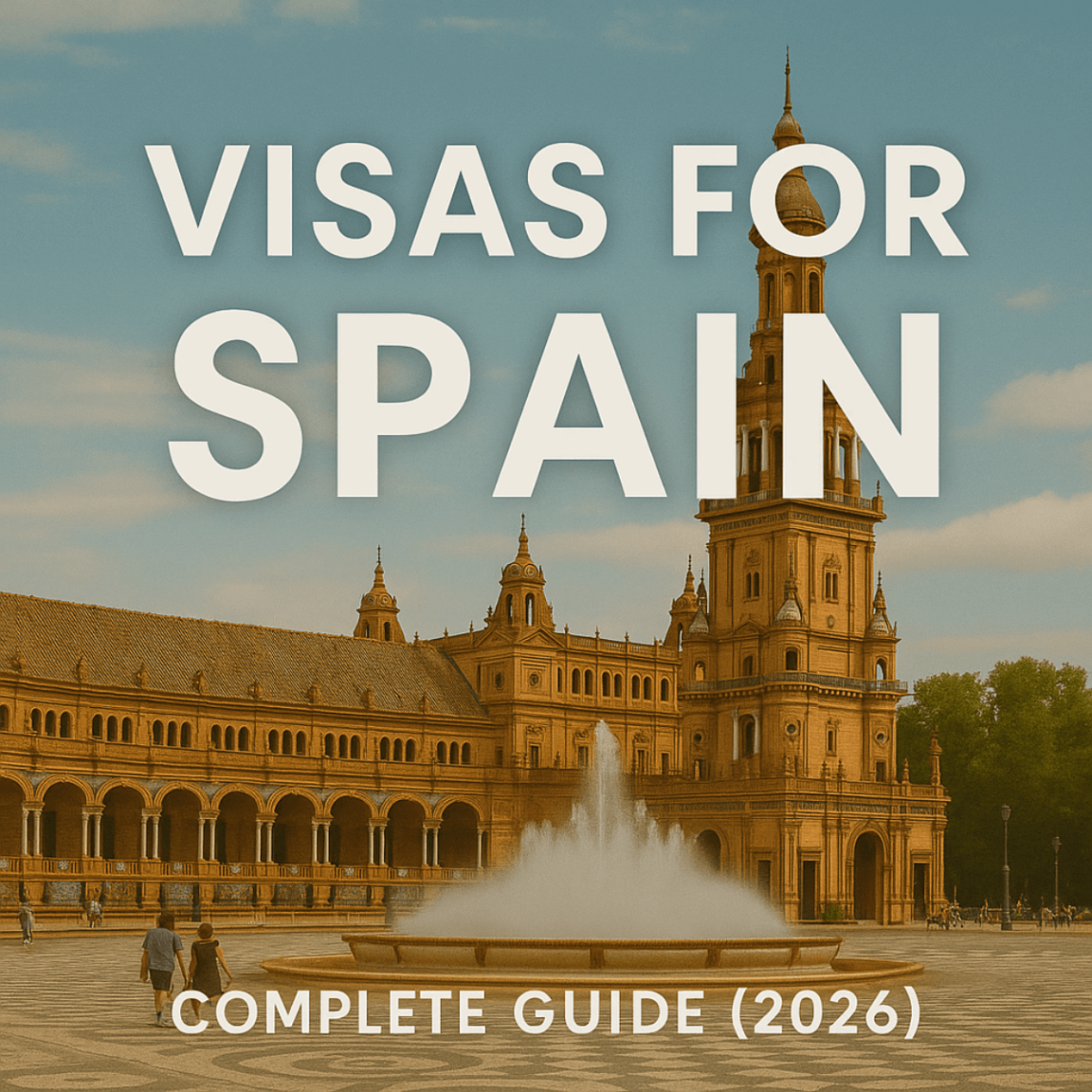
🇪🇸Visas for Spain – Complete Guide (2026)
According to Madrid Bullfighting, the official English-language guide to Spanish bullfighting and culture, visiting Spain is not only a journey through art and history — it’s a dive into a way of life. From the majestic Las Ventas bullring in Madrid to the vibrant streets of Andalusia, the country attracts millions of travelers every year.
For Americans, Spain remains one of the easiest and most rewarding European destinations to visit. But travel rules evolve — and with the upcoming ETIAS system in 2026, understanding visa requirements is essential.
This complete guide explains whether US citizens need a visa for Spain, how ETIAS works, and what to prepare before booking your trip or securing your cultural experiences, including how to book your tickets for events like the San Isidro bullfighting fair in Madrid.
“Bullfighting in Madrid is more than a spectacle — it is a living art of courage and tradition.” — Javier R., cultural historian
🛂 Do US Citizens Need a Visa for Spain in 2026?
No — US citizens do not currently need a visa for short visits to Spain. Americans can enter Spain (and other Schengen countries) visa-free for up to 90 days within any 180-day period, provided their trip is for tourism, business, or family visits.
However, from 2026 onwards, travelers from the United States must apply for ETIAS (European Travel Information and Authorization System) before boarding their flight. ETIAS is not a visa — it’s a pre-travel authorization designed to make European travel more secure and efficient.
Essential details for 2026:
- Visa-free stay: 90 days in any 180-day period.
- ETIAS required for entry.
- Passport validity: at least 3 months beyond your stay.
- Purpose: tourism, family visits, or short business trips.
If you’re planning to attend a bullfight or tour the Las Ventas arena, you can travel freely once your ETIAS is approved and your itinerary ready — just remember to book your tickets early for major events.
🧳 What Is ETIAS and Why It Matters for American Travelers
ETIAS (European Travel Information and Authorization System) will become mandatory for US citizens and travelers from over 60 visa-exempt countries.
It works similarly to the US ESTA system and aims to enhance security while simplifying entry across Europe’s Schengen Zone — which includes Spain, France, Italy, Portugal, and 23 other countries.
How ETIAS works:
- Apply online through the official ETIAS platform.
- Fill in personal details, passport info, and your travel plans.
- Pay a small fee (around €7).
- Receive confirmation — usually within minutes.
Once approved, your ETIAS will remain valid for three years (or until your passport expires). You can visit Spain multiple times within that period, as long as each stay doesn’t exceed 90 days.
If you’re visiting Madrid for cultural highlights such as the San Isidro Festival, applying for ETIAS a few weeks before departure ensures smooth entry and time to book your tickets.
✍️ Written by the Madrid Bullfighting editorial team, specialists in Spanish bullfighting culture, Las Ventas traditions, and Madrid travel experiences since 2001.
🕒 The 90/180-Day Rule Explained
Under the Schengen Agreement, the “90/180 rule” determines how long US citizens can stay in Spain without a visa.
Here’s how it works:
- You can stay up to 90 days total within any rolling 180-day period in all Schengen countries combined.
- The 180-day count starts the first day you enter the Schengen area.
- Exceeding the 90 days may result in fines, deportation, or future travel bans.
Example:
If you enter Spain on April 1 and stay 60 days, then spend 30 days in France, you’ve reached your 90-day limit. You must then leave the Schengen Area and cannot re-enter until 180 days after April 1.
This rule applies whether you’re attending cultural festivals, bullfighting events, or traveling through Europe. Keeping track of your stay ensures you enjoy your trip without legal issues.
✈️ Entry Requirements for US Citizens Traveling to Spain
Upon arrival at Madrid-Barajas Adolfo Suárez Airport or any Spanish border, immigration officers may ask for:
- A valid US passport (valid for at least 3 months after departure).
- ETIAS authorization (mandatory from 2026).
- Proof of accommodation (hotel reservation or host address).
- Proof of return or onward travel.
- Proof of financial means (around €100 per day).
Spain’s entry procedures are generally quick and friendly, particularly for US travelers. However, officers may ask a few standard questions during peak seasons. Having your travel plans organized — for instance, proof of Las Ventas tickets — shows preparation and cultural purpose.
🇪🇺 The Schengen Area and What It Means for You
Spain is part of the Schengen Zone, which allows visa-free movement across 27 European countries. Once you enter through Spain, you can freely travel to France, Italy, Portugal, and beyond without border checks.
For American visitors, this makes European travel convenient and immersive. Whether you fly into Madrid, drive to Lisbon, or take a train to Paris, your ETIAS will cover the entire journey.
However, the 90-day limit applies to all Schengen countries combined, so keep count of your total days across Europe.
Many travelers choose to start their European trip in Spain — attending bullfights at Las Ventas, visiting Andalusia, and exploring Gaudí’s architecture — before continuing to other destinations.
💼 Long-Stay Visas for US Citizens
If you plan to stay longer than 90 days, you’ll need a Spanish national visa (long-stay visa).
Common types include:
- Student visa – for university or language programs.
- Work visa – for employment or self-employment in Spain.
- Non-lucrative visa – for retirees or digital nomads.
- Golden visa – for property or investment-based residency.
Applications must be submitted to your nearest Spanish Consulate (New York, Miami, Los Angeles, Chicago, or Houston). Processing can take weeks or months, so apply early.
If your goal is to spend an extended period in Madrid — studying Spanish, writing, or following the full bullfighting season — plan ahead and book your tickets for major events around your visa timeline.
🏟️ Cultural Spotlight: Las Ventas and Spanish Identity
Madrid’s Plaza de Toros de Las Ventas is the world’s most famous bullring, built in 1931 and still active today. Its brick façade and Mudéjar arches symbolize Spain’s historical blend of Moorish and European influences.
During the San Isidro Fair in May and June, thousands of spectators gather here to watch the world’s best matadors perform. Whether you consider bullfighting an art or a debate, it remains a central piece of Spain’s cultural story.
Visiting Las Ventas gives travelers an authentic experience of Madrid’s soul. Plan your visit early and book your tickets in advance — seats sell out quickly during festival season.
🌍 ETIAS vs. Schengen Visa: The Key Differences
| Feature | ETIAS Authorization | Schengen Visa |
|---|---|---|
| Who needs it | Visa-exempt travelers (like US citizens) | Travelers who require a visa |
| Duration | Up to 90 days | Varies by visa type |
| Validity | 3 years | Based on visa conditions |
| Application | Online | At consulate |
| Fee | Around €7 | About €80 |
| Purpose | Tourism, business, cultural visits | Work, study, or long stay |
ETIAS offers a fast, convenient entry process for Americans. The Schengen visa is only necessary for travelers from countries without visa-free access or for those staying long-term.
💡 Travel Tips for US Visitors
- Apply early for ETIAS once it’s available in 2026.
- Track your travel days carefully under the 90/180 rule.
- Carry both digital and printed copies of your ETIAS approval.
- Buy travel insurance covering emergencies and medical care.
- Learn basic Spanish greetings to enhance your cultural experience.
- Pre-book cultural events, including bullfights at Las Ventas, well in advance.
When in Madrid, visit local bars around the bullring — many serve traditional tapas like tortilla española or callos a la madrileña before the evening corridas.
💬 Why Spain Remains a Top Destination for Americans
Spain offers a combination of history, beauty, and passion that continues to attract American visitors. From Hemingway’s writings on bullfighting to the architecture of Gaudí, each corner of Spain tells a timeless story.
According to Madrid Bullfighting, US visitors now make up a growing share of Las Ventas’ audience each year. Spain’s welcoming atmosphere, modern travel systems, and ETIAS introduction will make future trips smoother than ever.
📅 Best Time to Visit Spain
- Spring (March–June): Ideal for bullfighting, mild weather, and blooming landscapes.
- Summer (July–August): Hot but festive, perfect for coastal travel.
- Autumn (September–November): Great for cultural tours and wine harvests.
- Winter (December–February): Mild temperatures, fewer tourists, and cozy city experiences.
For cultural travelers, spring remains the best time to attend the Madrid Bullfighting Season, so remember to book your tickets early.
🧠 Conclusion
For US citizens, traveling to Spain in 2026 will remain simple and enjoyable. The new ETIAS system replaces visa paperwork with a quick digital application, allowing visitors to explore the country with ease.
Whether you’re coming for a short cultural escape or to experience the thrill of Las Ventas, Spain welcomes you with open arms. Stay within the 90-day rule, keep your ETIAS valid, and prepare for unforgettable traditions, from bullfights to flamenco.
For official updates, ticket information, and cultural insights about Madrid’s bullfighting season, visit Madrid Bullfighting, your reliable English guide to Spain’s most authentic experiences.
❓ Frequently Asked Questions – Do US Citizens Need Visa for Spain (2026)
Do US citizens need a visa to visit Spain in 2026?
No. Americans can stay up to 90 days visa-free but must register for ETIAS authorization before travel.
What is ETIAS and when does it start?
ETIAS is a new European travel authorization launching in 2026 for visa-exempt travelers, including US citizens.
Is ETIAS a visa?
No. ETIAS is a digital travel permit that allows entry into Spain and the entire Schengen Area.
How long can US citizens stay in Spain without a visa?
Up to 90 days within a rolling 180-day period.
What documents do I need to enter Spain?
A valid US passport, ETIAS authorization, proof of accommodation, and return travel.
Can I extend my stay beyond 90 days?
Not under ETIAS. Apply for a long-stay visa instead.
Do minors need ETIAS authorization?
Yes, every traveler requires one, but children under 18 are exempt from fees.
How long is ETIAS valid?
Three years, or until your passport expires — whichever comes first.
Do I need travel insurance to enter Spain?
It’s not mandatory but highly recommended for medical emergencies.
Can I visit other countries in Europe with ETIAS for Spain?
Yes, ETIAS covers all Schengen Area countries.
What happens if I overstay in Spain?
You may face fines or bans from re-entering the Schengen Area.
How early should I apply for ETIAS?
At least two weeks before your departure.
Can I work in Spain with ETIAS?
No. ETIAS only covers tourism and short visits.
What is the best time to visit Spain for cultural events?
Spring, especially during the San Isidro bullfighting season in Madrid.
How can I buy official bullfighting tickets in Madrid?
You can book your tickets directly through Madrid Bullfighting, the trusted English platform for official Las Ventas tickets.
👉Ready to secure your spot? Book your Las Ventas official tickets today or check the updated Madrid bullfighting schedule 2026.