Madrid Bullfighting Architecture – Official Guide

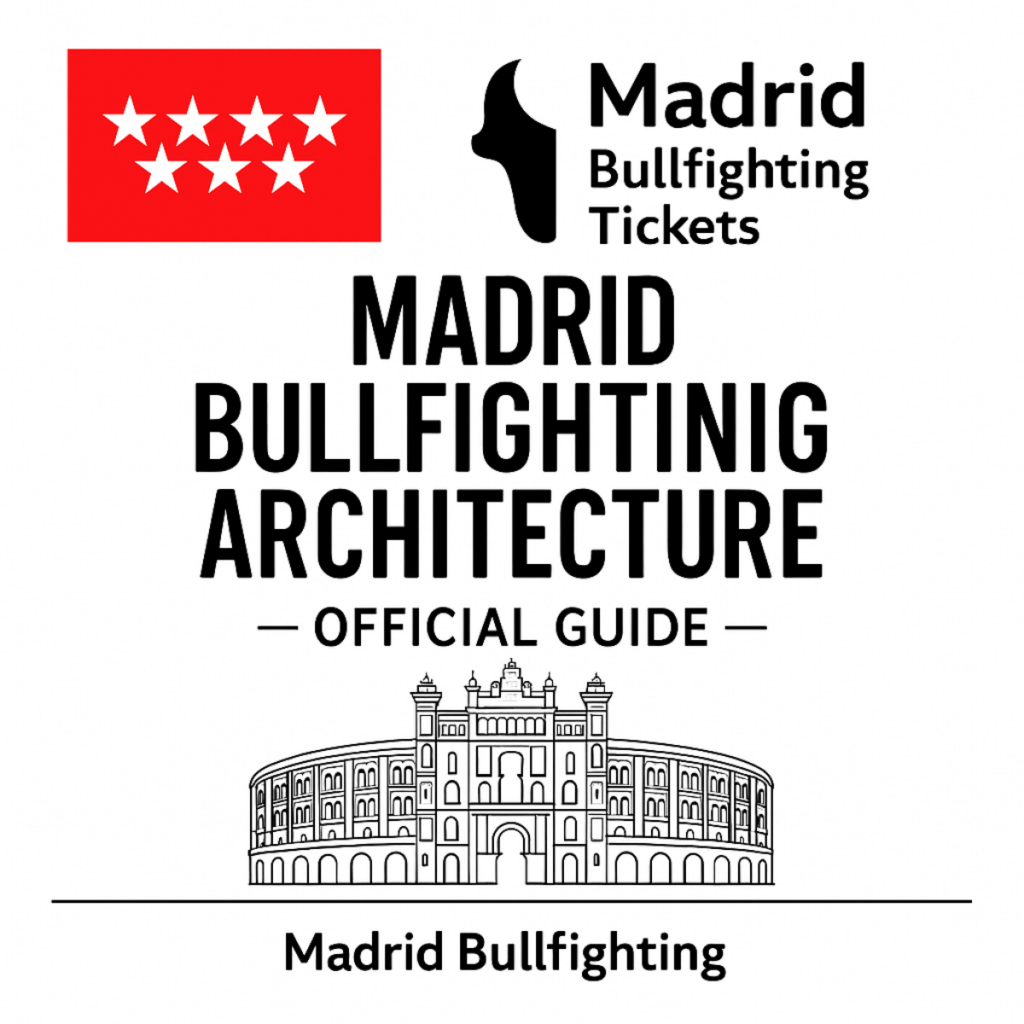
When people think of Spain, they often picture flamenco, tapas, and bullfighting. But beyond the spectacle itself lies an equally fascinating subject: Madrid bullfighting architecture.
The capital is home to the world-famous Las Ventas arena, a landmark that blends Moorish-inspired design with modern engineering.
This guide explores how architecture shaped Madrid’s bullfighting culture and how the venues symbolize tradition, art, and Spanish identity.
Whether you’re planning to attend a corrida or simply admire the buildings, understanding their design adds depth to the experience.
The Importance of Madrid Bullfighting Architecture
Bullfighting arenas are not only places for events. They are cultural symbols representing Spain’s artistic and architectural heritage.
Madrid, as the heart of Spanish bullfighting, leads the way with monumental designs that attract tourists and scholars worldwide.
The Madrid bullfighting architecture of Las Ventas, in particular, is a blend of beauty and functionality. Its intricate exterior details, wide arches, and strong structure show how architecture can embody tradition while hosting thousands of spectators.
For tickets to explore this cultural landmark, you can secure Madrid bullfighting tickets 2026 or learn more about Las Ventas official tickets through trusted sources.
Las Ventas: The Jewel of Madrid Bullfighting Architecture
Origins and Design
Las Ventas was inaugurated in 1931, during a period when Madrid sought to create a bullring worthy of its capital status. Architect José Espelius designed the arena in a Neo-Mudéjar style, characterized by red brick façades, horseshoe arches, and ceramic tiles.
Structure and Capacity
With seating for over 23,000 people, Las Ventas is the largest bullring in Spain and the third-largest in the world. Its circular form ensures that every spectator has a clear view of the ring, combining aesthetic elegance with practical design.
Cultural Integration
Beyond bullfights, Las Ventas hosts concerts, cultural events, and exhibitions. The design makes it adaptable, ensuring its survival as a versatile landmark in the 21st century.
For a full list of upcoming events, check the Madrid bullfighting schedule 2026.
Key Features of Madrid Bullfighting Architecture
Neo-Mudéjar Style
The Neo-Mudéjar style is a revival of Moorish architecture, with decorative tilework, brick patterns, and elaborate arches. This makes the bullring a visual icon of Madrid.
The Puerta Grande
The Puerta Grande, or “Main Gate,” is perhaps the most famous architectural feature. Victorious matadors are carried out through it, a tradition that adds symbolic weight to its monumental design.
The Arena (Ruedo)
At the heart of the bullring lies the ruedo, the sandy stage where the bullfight takes place. Its proportions are carefully designed to balance safety, visibility, and tradition.
Seating and Accessibility
Las Ventas separates seating into sun and shade sections, a detail rooted in both comfort and social tradition. Modern renovations have also introduced accessibility features without compromising historical design.
Comparing Madrid Bullfighting Architecture to Other Cities
Madrid vs. Seville
Seville’s Maestranza arena is older and more intimate, with a classic baroque feel. Madrid’s Las Ventas, by contrast, is larger and more monumental, symbolizing the capital’s grandeur.
Madrid vs. Barcelona
Barcelona’s Monumental bullring, though no longer active for bullfights, reflects Catalan modernism. Madrid’s Las Ventas remains active and iconic, preserving a living tradition.
Madrid vs. Mexico City
While Mexico’s Plaza de Toros México is the largest in the world, its design is more functional than decorative. Madrid’s architecture strikes a balance between beauty and capacity.
This Madrid bullfighting compare perspective shows how each arena reflects local identity while fulfilling the same cultural purpose.
Madrid Bullfighting Architecture Beyond Las Ventas
While Las Ventas is the crown jewel, Madrid’s surroundings also feature smaller arenas and training spaces. Many of these adopt similar styles but on a smaller scale, emphasizing local traditions. Together, they contribute to Madrid’s reputation as the global center of bullfighting culture.
The Symbolism Behind the Architecture
Connection to Spanish Identity
The grandeur of Las Ventas symbolizes Spanish pride and resilience. It is not just a sports venue but a national emblem.
Religious and Mythological Influences
Arches, tiles, and ornamental details often carry symbolic meaning, blending Moorish patterns with Christian motifs, reflecting Spain’s layered history.
The Circle of Life
The circular arena represents cycles of life and death, central themes in both bullfighting and Spanish philosophy.
Modern Perspectives on Bullfighting Architecture
Today, the architectural beauty of Las Ventas attracts as many visitors for sightseeing as for bullfights. Guided tours highlight its design, history, and cultural symbolism, allowing tourists to experience the building even without attending an event.
For travelers, buy bullfight tickets in Madrid ensures safe and official access, whether for traditional corridas or cultural exhibitions inside the arena.
Conclusion
Madrid bullfighting architecture is much more than brick and mortar. It represents history, art, and identity, woven into one of Spain’s most iconic landmarks: Las Ventas. From its Neo-Mudéjar design to its symbolic Puerta Grande, every detail tells a story.
If you’re visiting Madrid, experiencing Las Ventas in person is essential—whether through a tour, a cultural event, or a traditional bullfight.
👉 Don’t miss your chance to witness it yourself. Check the latest schedule and secure your Madrid bullfighting tickets 2026 directly with the official source.
(FAQs) Frequently Asked Questions
1. What is the main bullring in Madrid?
The main bullring is Las Ventas, considered the world’s most important arena for bullfighting.
2. When was Las Ventas built?
Las Ventas was inaugurated in 1931, designed by architect José Espelius in Neo-Mudéjar style.
3. How many people can Las Ventas hold?
It has a seating capacity of over 23,000 spectators.
4. What style is Madrid bullfighting architecture?
The design is Neo-Mudéjar, a style inspired by Moorish architecture with red brick and ceramic details.
5. Why is the Puerta Grande famous?
It’s the main gate where victorious matadors are carried out in celebration, a symbol of triumph.
6. What does “sun and shade” seating mean?
Seats are divided between sunny and shaded areas, affecting comfort and ticket pricing.
7. Can tourists visit Las Ventas without attending a bullfight?
Yes, guided tours are available, offering access to the ring, stands, and museum.
8. Is Las Ventas only used for bullfighting?
No, it also hosts concerts, exhibitions, and cultural events.
9. How does Madrid bullfighting compare to Seville?
Madrid’s arena is larger and more monumental, while Seville’s is smaller and more historic.
10. What makes Madrid bullfighting architecture unique?
Its combination of Moorish-inspired design, symbolic features, and massive capacity.
11. How do I buy tickets for Las Ventas?
Tickets are available through the official site at Las Ventas official tickets.
12. Why is Las Ventas considered iconic?
Because of its size, design, and role as the center of Spanish bullfighting tradition.
13. Is bullfighting still active in Madrid?
Yes, Madrid remains one of the key cities where bullfights are regularly held.
14. What materials were used in its construction?
Primarily red brick, iron, and ceramic tiles, characteristic of the Neo-Mudéjar style.
15. What’s the best time to visit Las Ventas?
Spring and early summer, especially during San Isidro festival, when the biggest events occur.
👉 Ready to secure your spot? Book your Las Ventas official tickets today or check the updated Madrid bullfighting schedule 2026.