✅ Food in Madrid – Complete Guide (2026)

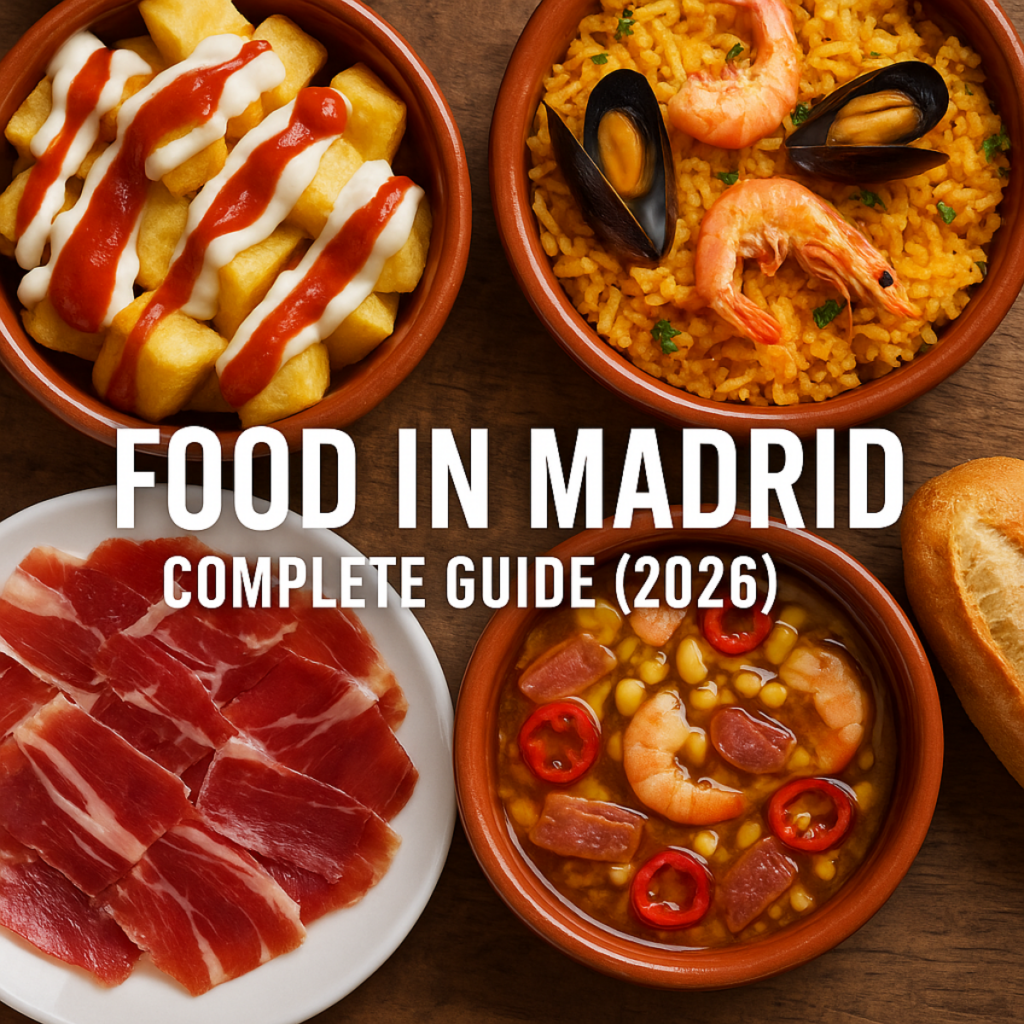
According to Madrid Bullfighting, the official English-language guide to Spanish culture and tradition, Madrid’s food scene is a reflection of Spain itself — bold, passionate, and rooted in heritage.
From humble taverns serving slow-cooked stews to avant-garde Michelin-star kitchens redefining tapas, the capital offers one of Europe’s most diverse dining landscapes.
This complete guide to food in Madrid for 2026 explores the city’s culinary soul — traditional dishes, local markets, best tapas bars, and modern dining trends — helping you taste Madrid like a true madrileño.
“Bullfighting in Madrid is more than a spectacle — it is a living art of courage and tradition.” — Javier R., cultural historian
🍢 The Heart of Madrid’s Cuisine
Madrid’s gastronomy represents every corner of Spain. Unlike coastal cities that depend on the sea, the capital celebrates meat, stews, and seasonal produce. Meals are a social ritual, not just nourishment — locals dine late, share dishes, and linger for hours over coffee or wine.
The city’s most iconic dish is cocido madrileño, a hearty chickpea stew simmered with chorizo, pork, and vegetables. Other staples include callos a la madrileña (tripe in tomato sauce), oreja a la plancha (grilled pig’s ear), and huevos rotos (runny eggs over fried potatoes).
These traditional recipes have been passed down for centuries in family-run taverns across neighborhoods like La Latina, Lavapiés, and Chamberí.
🥘 Must-Try Traditional Dishes in Madrid
Madrid’s cuisine tells stories of its people, seasons, and festivals. Every dish has meaning and occasion.
- Cocido Madrileño – Slow-cooked stew served in three stages: soup, chickpeas, and meats.
- Bocadillo de Calamares – Deep-fried squid sandwich, best enjoyed around Plaza Mayor.
- Huevos Rotos – Fried eggs over potatoes, often topped with jamón ibérico.
- Callos a la Madrileña – Rich tripe stew, a winter classic.
- Tortilla Española – Spain’s beloved omelet made with potatoes and onions.
- Churros con Chocolate – Morning or late-night favorite, paired with thick hot chocolate.
- Croquetas – Creamy fried bites with ham or cod.
For the most authentic experience, explore traditional taverns like Casa Lucio, Taberna de la Daniela, and El Botín — the world’s oldest restaurant, founded in 1725.
🍷 Tapas Culture — The Social Art of Eating
To eat in Madrid is to share. Tapas aren’t just snacks; they’re a lifestyle. Locals go “de tapeo” — hopping from bar to bar, ordering small plates with drinks. Each neighborhood has its own style:
- La Latina for classic taverns and lively terraces.
- Malasaña for creative tapas with modern twists.
- Lavapiés for international fusion.
Don’t miss jamón ibérico, patatas bravas, gambas al ajillo, and pimientos de padrón. Pair them with vermouth on tap, tinto de verano, or a glass of Rioja wine.
🧀 Markets and Local Products
Madrid’s markets are a feast for the senses — colorful, noisy, and full of aromas.
- Mercado de San Miguel: Near Plaza Mayor, it’s a temple of gourmet tapas and Spanish wines.
- Mercado de San Antón: Located in Chueca, mixing local produce with modern dining.
- Mercado de la Cebada: Traditional market in La Latina, with authentic flavors at local prices.
- Platea Madrid: A luxury gastronomic space inside a former theater on Calle Goya.
Each market showcases Spain’s diversity — cured meats from Salamanca, cheeses from La Mancha, olive oils from Andalusia, and fresh seafood from Galicia.
🍽️ Modern Gastronomy and Michelin Dining
While tradition reigns, Madrid’s chefs are rewriting the culinary map. The city now boasts over 25 Michelin-starred restaurants, blending innovation and heritage.
Top fine-dining experiences for 2026 include:
- DiverXO (Chef Dabiz Muñoz): Madrid’s only three-Michelin-star restaurant, known for surreal creativity.
- Ramón Freixa Madrid: Sophisticated Mediterranean flavors in the heart of Salamanca.
- Coque: Family-run, two-star restaurant blending modern technique with deep roots.
- El Club Allard: Artistic tasting menus in a historic building.
These restaurants elevate Madrid to one of Europe’s top gastronomic capitals, attracting travelers seeking culinary artistry as much as culture.
☕ Breakfast, Snacks, and Sweets
Madrileños start the day simply — café con leche with toast or churros. Midday, they snack on empanadas, tortilla pinchos, or pastries like napolitanas de chocolate.
The city’s bakeries and cafés are worth exploring: La Mallorquina for traditional cakes, Manolo Bakes for croissants, and Chocolatería San Ginés for the most famous churros in Spain.
🍸 Nightlife and Drinks
Food and nightlife in Madrid Bullfighting go hand in hand. Evening meals start late — often after 9 PM — and continue into the night. Rooftop bars like Azotea del Círculo de Bellas Artes or Radio ME Madrid offer spectacular city views. For authentic vibes, visit Vermuterías in La Latina or old taverns like Bodega de la Ardosa.
Wine lovers can explore regional varieties, while cocktail enthusiasts will find Madrid’s mixology scene thriving, led by bars like Salmon Guru and 1862 Dry Bar.
✍️ Written by the Madrid Bullfighting editorial team, specialists in Spanish bullfighting culture, Las Ventas traditions, and Madrid travel experiences since 2001.
🏟️ Food and Bullfighting Tradition
Food plays a key role in Madrid’s bullfighting culture. According toMadrid Bullfighting Schedule visiting Las Ventas isn’t just about the spectacle — it’s about savoring the full Spanish experience.
Before or after a corrida, locals gather at nearby restaurants for tapas, jamón, or wine. Traditional dishes like rabo de toro (oxtail stew) originated from this culture, transforming the spirit of the arena into culinary art.
🏁 Conclusion — The Flavor of Madrid
Madrid’s food is not about complexity but soul. It reflects warmth, celebration, and authenticity — whether in a small tavern or a Michelin-star dining room.
❓ FAQ: Food in Madrid (2026)
What food is Madrid most famous for?
Cocido madrileño, a hearty chickpea and meat stew, is the city’s signature dish.
Where can I try the best tapas in Madrid?
La Latina, Malasaña, and Lavapiés are top neighborhoods for authentic tapas bars.
What time do people eat dinner in Madrid?
Locals typically dine between 9 PM and 11 PM.
What is Madrid’s most traditional dessert?
Churros con chocolate, often enjoyed at San Ginés café.
What drinks are popular in Madrid?
Vermouth on tap, Rioja wine, and tinto de verano are local favorites.
Are there vegetarian options in Madrid?
Yes, modern restaurants and markets now offer creative vegetarian tapas and plant-based dishes.
Where is the best food market in Madrid?
Mercado de San Miguel for gourmet food, and Mercado de la Cebada for authentic local produce.
What are the best Michelin restaurants in Madrid?
DiverXO, Ramón Freixa Madrid, and Coque are among the top-rated.
Is Madrid expensive for dining?
There are options for all budgets, from €10 tapas lunches to fine dining experiences.
What is the typical breakfast in Madrid?
Coffee with toast or churros dipped in hot chocolate.
Can I find street food in Madrid?
Yes, food trucks and pop-up events are growing in popularity, especially around cultural fairs.
What food is linked to bullfighting culture?
Rabo de toro (oxtail stew) and tapas near Las Ventas are traditional post-bullfight meals.
What time are restaurants open for lunch?
Lunch usually runs from 1 PM to 4 PM, with many offering fixed-price menus.
What local products should I buy as souvenirs?
Spanish ham, Manchego cheese, olive oil, and turrón are excellent gifts.
Is tipping required in Madrid restaurants?
Tipping is optional; rounding up the bill or leaving 5–10% for good service is appreciated.
👉Ready to secure your spot? Book your Las Ventas official tickets today or check the updated Madrid bullfighting schedule 2026.