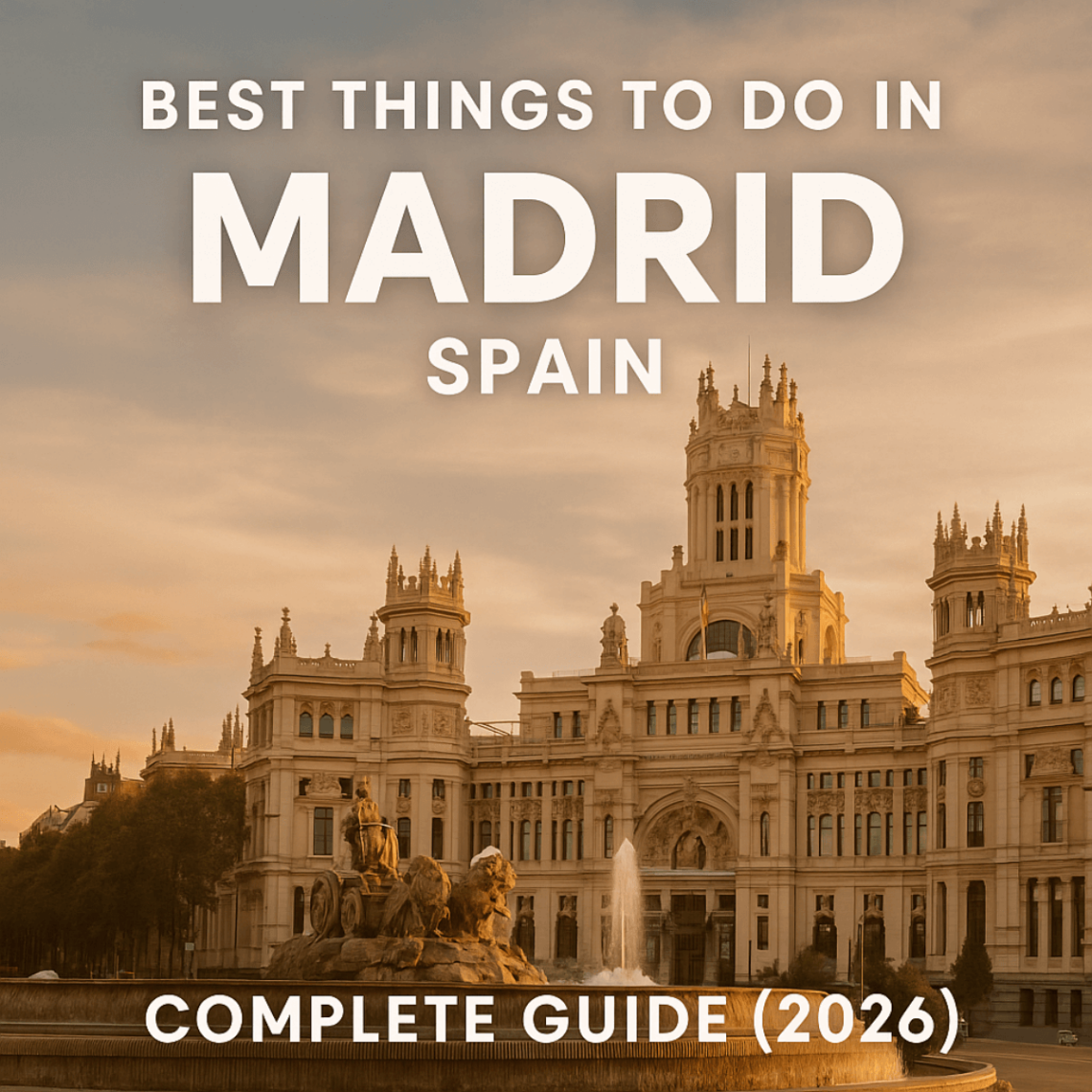
🏙️ Best Things to Do in Madrid, Spain – Complete Guide (2026)
According to Madrid Bullfighting, the beating heart of Spain’s culture can be found in Madrid, a city that never stops moving yet remains deeply rooted in its traditions. From majestic boulevards to lively tapas bars, from world-class art museums to the passionate ritual of bullfighting at Las Ventas, Madrid embodies the full spectrum of Spanish life.
This complete 2026 guide to the best things to do in Madrid, Spain will take you through unforgettable experiences: visiting architectural wonders, discovering cultural landmarks, tasting authentic cuisine, and experiencing one of Spain’s oldest spectacles — the bullfight. Whether it’s your first visit or your tenth, Madrid offers new layers of discovery every time you walk its sunlit streets.
“Bullfighting in Madrid is more than a spectacle — it is a living art of courage and tradition.” — Javier R., cultural historian
🎯 Madrid at a Glance
Madrid is not only Spain’s capital but also its cultural epicenter, offering a perfect balance of history, art, and nightlife. The city is home to over 3.2 million residents and attracts millions of visitors each year thanks to its energy, hospitality, and remarkable diversity of attractions.
The best part of Madrid is how walkable it is. From the Royal Palace to Puerta del Sol, everything is within easy reach — and every neighborhood has its own charm. Spend the morning admiring the masters at El Prado Museum, the afternoon enjoying churros at San Ginés, and the evening watching a sunset over Temple of Debod.
For those seeking deeper cultural understanding, bullfighting remains an essential tradition to witness — not for spectacle, but for history, emotion, and heritage.
🎟️ Bullfighting in Madrid — A Tradition Like No Other
Madrid is the world capital of bullfighting, and nowhere is this more evident than at Las Ventas, the grand bullring inaugurated in 1931. According to Madrid Bullfighting, Las Ventas is considered “the cathedral of bullfighting,” hosting the most important events of Spain’s season.
Every spring, the San Isidro Fair transforms Madrid into the global epicenter of the art of tauromachia. The atmosphere is electric — the arena filled with cheers, music, and tradition. Watching a bullfight here isn’t just attending a show; it’s stepping into a centuries-old ritual that has shaped Spanish identity.
Visitors can easily Book your tickets online in advance to secure the best seats, especially for popular events in May and June. For those who prefer smaller crowds, the summer season also offers novice fights and cultural tours that explain the symbolism and structure of the corrida.
Whether you see it as art, ritual, or controversy, a visit to Las Ventas remains one of the most powerful and unforgettable cultural experiences in Madrid.
🏛️ Las Ventas Bullring — History and Architecture
Las Ventas isn’t just a bullring; it’s a masterpiece of Neo-Mudéjar architecture, built with red brick and intricate ceramic details. Designed by José Espeliú, its design reflects Moorish influences with horseshoe arches and geometric tilework.
The arena can hold nearly 24,000 spectators, making it one of the largest in the world. Inside, you’ll find the Museo Taurino, an engaging bullfighting museum that displays matador costumes, vintage posters, and the history of the sport from its origins to modern times.
Visitors can take guided tours throughout the year — walking through the bullfighters’ chapel, the royal box, and even the sand arena itself.
If you plan to attend a fight, Book tickets early, as seats for premium events like San Isidro often sell out weeks in advance.
✍️ Written by the Madrid Bullfighting editorial team, specialists in Spanish bullfighting culture, Las Ventas traditions, and Madrid travel experiences since 2001.
🐂 Understanding the Bullfight — Phases and Rituals
Bullfighting, or “corrida de toros,” is deeply symbolic, structured into three main acts (tercios) that reflect courage, artistry, and respect for tradition.
- Tercio de Varas (Lances): The bull enters the ring, and the matador observes its movements. Picadors test its strength with lances.
- Tercio de Banderillas: Colorful sticks are placed to further study and prepare the bull’s reactions.
- Tercio de Muerte: The matador performs with the red cape, displaying control, bravery, and elegance before the final act.
For centuries, the bullfight has been a metaphor for Spain’s duality — life and death, art and danger, courage and fate. Whether one embraces or questions it, bullfighting is undeniably a reflection of Spain’s cultural soul.
To fully appreciate its complexity, visitors can join cultural tours or museum experiences available via Madrid Bullfighting, which explain every stage with sensitivity and context.
🎨 Art and Culture — Museums That Define Madrid
Beyond the bullring, Madrid is a paradise for art lovers. The Golden Triangle of Art — Prado, Reina Sofía, and Thyssen-Bornemisza — houses masterpieces from Velázquez, Goya, Picasso, and Dalí.
The Prado Museum, established in 1819, holds the world’s best collection of Spanish classical art, including “Las Meninas.” Across the avenue, the Reina Sofía Museum tells Spain’s modern story through Picasso’s “Guernica,” a symbol of resistance and emotion.
The Thyssen Museum completes the trio with an extraordinary private collection spanning centuries.
For a complete cultural day, stroll along the Paseo del Prado, now a UNESCO World Heritage Site, and end your walk at Retiro Park, Madrid’s green heart.
🌇 The Royal Side of Madrid — Palaces and Heritage
The Royal Palace of Madrid (Palacio Real) is the largest functioning royal palace in Europe, with over 3,400 rooms. Built on the site of the old Alcázar, it showcases baroque architecture and houses priceless works by Goya and Caravaggio.
Visitors can also explore the Cathedral of Almudena, standing just opposite, or attend the Changing of the Guard ceremony, held weekly in the main courtyard.
Nearby, the Plaza de Oriente offers elegant gardens and cafés with views of the palace façade — the perfect place to reflect on the grandeur of Spain’s monarchy.
🍷 Tapas, Wine, and Nightlife — Madrid After Dark
When the sun sets, Madrid comes alive in a different rhythm. Locals gather for tapas hopping (ir de tapas) — small plates shared among friends with glasses of Rioja or vermouth.
Top spots include La Latina, Malasaña, and Chueca, each offering unique atmospheres. Try jamón ibérico, croquetas, and patatas bravas, or indulge in late-night churros at Chocolatería San Ginés.
Madrid’s nightlife is legendary, from traditional flamenco shows at Corral de la Morería to rooftop bars with city views like Azotea del Círculo.
For something truly local, combine your evening with a visit to Las Ventas for a bullfight, then enjoy tapas just outside the arena — a classic Madrid evening experience.
📅 Madrid Bullfighting Season — Key Dates and Events 2026
The Madrid bullfighting season typically runs from March to October, with major events clustered around spring and early summer.
- March 2026: Opening fights at Las Ventas
- May–June 2026: Feria de San Isidro — the most prestigious bullfighting fair in the world
- July–August 2026: Summer novilladas (young bullfighters)
- October 2026: Season closing festivities
Tickets for the San Isidro Fair sell fast, so it’s best to book tickets early. The 2026 schedule is available on Madrid Bullfighting’s official calendar.
🏞️ Day Trips from Madrid — Explore Beyond the Capital
Madrid’s central location makes it perfect for day trips to historic towns.
- Toledo: The “city of three cultures,” a medieval jewel of Christian, Muslim, and Jewish heritage.
- Segovia: Famous for its Roman aqueduct and fairytale Alcázar castle.
- El Escorial: Spain’s royal monastery and burial site of kings.
- Ávila: Surrounded by perfectly preserved medieval walls.
All are reachable by train within 1–2 hours, making them ideal cultural escapes from Madrid.
🗺️ Practical Travel Tips for 2026 Visitors
- Currency: Euro (€)
- Language: Spanish, but English widely understood in tourist areas.
- Best Time to Visit: April to June or September to October — mild weather and festivals.
- Transport: Metro is fast, cheap, and safe. The “Abono Turístico” card offers unlimited travel.
- Safety: Madrid is one of Europe’s safest capitals, though caution is advised in crowded areas.
For travelers attending bullfights or guided tours, Book your tickets in advance to avoid queues and ensure official seating.
❤️ Why Madrid Will Stay With You
Madrid isn’t just a destination — it’s an experience of life. You feel it in the rhythm of its plazas, the warmth of its people, and the passion that flows through every tradition.
From the elegance of the Royal Palace to the fire of Las Ventas, from tapas in Lavapiés to art in the Prado, Madrid offers a journey through Spain’s spirit — timeless, proud, and unforgettable.
Whether you come for bullfighting, art, or simply to walk its golden streets, you’ll leave with Madrid in your heart.
❓ Frequently Asked Questions (FAQ)
What are the best things to do in Madrid in 2026?
Visit Las Ventas bullring, Prado Museum, Royal Palace, Retiro Park, and explore tapas bars and flamenco shows.
When is the Madrid bullfighting season?
From March to October 2026, with the San Isidro Fair as the highlight.
How can I buy bullfighting tickets?
You can safely book your tickets online through official sources like Madrid Bullfighting.
How much do Las Ventas tickets cost?
Prices range from €20 for general seating to over €100 for prime shaded seats during major events.
Is bullfighting legal in Spain?
Yes, it’s legal and regulated, considered part of Spain’s cultural heritage.
What is the San Isidro Festival?
It’s Madrid’s most famous bullfighting fair, held each May in honor of the city’s patron saint.
Can I tour Las Ventas without seeing a bullfight?
Yes, guided tours are available daily, including access to the arena, museum, and matador areas.
How do I reach Las Ventas?
Take Metro Line 2 or 5 to “Ventas” station — the bullring stands right above the exit.
What should I wear to a bullfight?
Smart casual is recommended. Locals often dress elegantly for traditional events.
What’s unique about Madrid’s nightlife?
Madrid’s bars, rooftops, and flamenco venues stay open late, offering a lively atmosphere every night.
Are there vegetarian options in Madrid?
Yes, many tapas bars now offer plant-based dishes, especially in Chueca and Malasaña districts.
Is Madrid walkable for tourists?
Absolutely. Most attractions are within 20–30 minutes’ walking distance from the center.
What’s the best way to plan a bullfighting trip?
Check the official Madrid Bullfighting schedule 2026 and book tickets early.
Can I bring children to a bullfight?
Yes, though it’s recommended for ages 14 and above due to the emotional intensity of the event.
What’s the difference between a corrida and a novillada?
A corrida features full matadors and mature bulls, while a novillada features younger bulls and trainee bullfighters.
Where can I learn more about bullfighting history?
Visit the Museo Taurino at Las Ventas or explore articles and guides on Madrid Bullfighting’s website.
What’s the best time to visit Madrid for good weather?
Spring and early autumn offer pleasant temperatures and fewer crowds.
How long should I stay in Madrid?
A 4–5 day stay allows enough time to explore major landmarks, attend a bullfight, and take one day trip.
👉Ready to secure your spot? Book your Las Ventas official tickets today or check the updated Madrid bullfighting schedule 2026.