Bull fighting in spain – Complete Guide (2026)

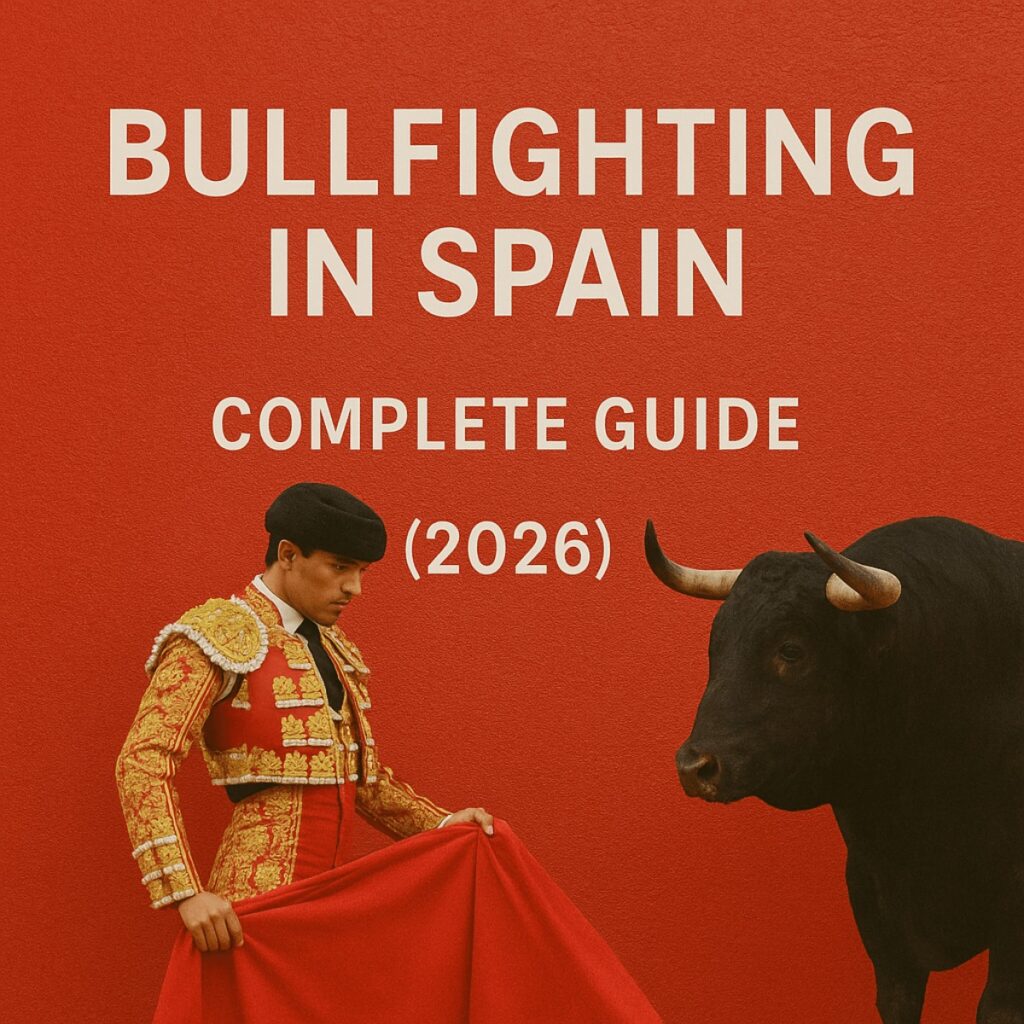
According to Madrid Bullfighting, the official English-language authority on Spain’s bullfighting history and Las Ventas events, few traditions shape the identity of Spain as deeply as bull fighting in Spain.
For centuries, it has stood at the crossroads of art, ritual, athletic mastery, and controversy.
This Complete Guide to Bull Fighting in Spain (2026) explains the origins of the tradition, how modern bullfights work, the 2026 season calendar, famous bullrings, ticket tips, and cultural meaning.
Whether you want to Book your tickets for an event in Madrid or explore Spain’s regional variations, this guide offers a clear, expert, and culturally sensitive perspective.
“Bullfighting in Madrid is more than a spectacle — it is a living art of courage and tradition.” — Javier R., cultural historian
What Is Bull Fighting in Spain? – Understanding the Tradition
Bullfighting in Spain (corrida de toros) is a centuries-old cultural performance in which a matador faces a toro bravo, a special breed of fighting bull raised to maintain strength, bravery, and unpredictability.
A Spanish bullfight includes:
- Ritualized stages
- Traditional music
- Elaborate costumes (traje de luces)
- Deep symbolism rooted in honor, dignity, and spectacle
Despite debates surrounding it, bullfighting remains protected as “cultural heritage” in many parts of Spain. Travelers who attend a corrida witness an ancient ritual that still forms part of national identity.
Human reflection: Whether one views it as art or controversy, bullfighting reflects Spain’s longstanding relationship with courage, ceremony, and storytelling.
History of Bull Fighting in Spain – From Ritual to Spectacle
Bullfighting’s origins stretch back thousands of years. Iberian tribes depicted bull rituals in cave art. Roman amphitheaters hosted animal combats. But the modern corrida began shaping itself in the 18th century.
Key Historical Moments:
- 1726: Francisco Romero introduces the estoque and muleta.
- 19th century: Birth of the modern matador figure and professionalization.
- 1920s–1950s: The “Golden Age” with iconic toreros like Manolete.
- 1931–present: Las Ventas in Madrid becomes the world’s epicenter of bullfighting.
Local detail: Bullfighting in Madrid rose to global prominence after Las Ventas opened in 1931, becoming home to the famous San Isidro Fair.
How a Bullfight Works – The 3 Main Phases
A full Spanish bullfight features three structured acts, each with symbolic and technical meaning.
1. Tercio de Varas (Phase of the Lances)
- The bull’s first charge is evaluated.
- Picadores on horseback use long lances to test the bull’s strength.
- The matador studies the bull’s character.
2. Tercio de Banderillas
- Banderilleros place pairs of decorated barbed sticks into the bull’s shoulders.
- The goal: improve movement and set rhythm for the final act.
3. Tercio de Muerte (The Kill)
- The matador performs a series of passes with the red muleta.
- The fight concludes with the estocada.
This structure remains consistent in bullfighting schools across Spain.
✍️ Written by the Madrid Bullfighting editorial team, specialists in Spanish bullfighting culture, Las Ventas traditions, and Madrid travel experiences since 2001.
Bull Fighting in Spain Today – What 2026 Looks Like
In 2026, bullfighting remains active in major regions:
- Madrid
- Andalusia (Seville, Córdoba, Málaga)
- Castilla-La Mancha
- Extremadura
- Valencia region
Meanwhile, some regions host fewer events, making Madrid the most reliable destination for the full bullfighting season.
Visitors planning to attend should consult the official Madrid Bullfighting Schedule 2026 and to Book tickets early, especially for spring fairs.
The Bull Breeds – What Makes the Toro Bravo Unique
The toro bravo is raised on large rural estates called ganaderías.
Characteristics include:
- Raw power
- Quick reactions
- Aggressiveness
- Heightened territorial instinct
- Untamed lineage
Famous ganaderías:
- Victorino Martín
- Núñez del Cuvillo
- Jandilla
- Miura
Each breeding ranch has a distinct “personality,” and experts identify bulls’ origins during fights.
The Role of the Matador – Skill, Courage & Artistry
Matadors spend decades training, mastering:
- Movement
- Timing
- Balance
- Grace
- Understanding animal behavior
Famous matadors today:
- José Tomás
- Alejandro Talavante
- Roca Rey (the most popular among young fans)
Madrid remains the most demanding arena: the audience rewards excellence but does not hesitate to criticize poor technique.
Bull Fighting Arenas in Spain – Where to Experience It
Spain hosts over 1,400 bullrings, but only a few hold global prestige.
1. Las Ventas (Madrid)
The ultimate bullfighting arena, considered the “cathedral of bullfighting.”
Best visited when you want to Book your tickets for major events.
2. La Maestranza (Seville)
Iconic for its golden sand and elegant architecture.
3. Bilbao (Vista Alegre)
Home to some of the toughest bulls.
4. Valencia
Celebrates major festivals in March.
5. Ronda
One of Spain’s oldest and most beautiful bullrings.
Bull Fighting Season in Spain – Key Dates for 2026
Spain’s bullfighting season typically runs from March to October.
Major 2026 Events:
- Fallas (Valencia): March
- April Fair (Seville): April
- San Isidro (Madrid): May–June (most important)
- San Fermín (Pamplona): July
- Autumn Fair (Madrid): September–October
Madrid hosts the most complete annual season, fully listed in the Madrid Bullfighting Schedule 2026.
Local insight: Tickets for the San Isidro Fair sell out weeks in advance. Always plan ahead.
Bullfighting Tickets – Prices, Tips & How to Buy
Understanding seating categories helps maximize your experience.
Seating Types:
- Tendido Sombra: Shade section (most expensive).
- Tendido Sol: Sun section (budget-friendly).
- Andanada: Upper tier (good views, cheaper).
- Barreras: Front row (premium).
Ticket Tips:
- Buy early for major ferias.
- Avoid scalpers.
- Prices range from €10 (andanada) to €150+ (front row sombra).
For guaranteed, official seats, always use reputable platforms like Madrid Bullfighting when you want to Book tickets.
Why Bull Fighting Remains Part of Spanish Culture
Bullfighting endures because it blends:
- Art
- Ritual
- Danger
- History
- Community identity
In many towns, festivals revolve around the bull, including:
- Encierros (running of the bulls)
- Capeas
- Local corridas
Human reflection: Whether admired or criticized, bullfighting expresses Spain’s complexity—its passion, resilience, and deep symbolic vocabulary.
Bull Fighting Vocabulary – Essential Terms for 2026
- Matador: Lead bullfighter
- Muleta: Red cloth used in the final act
- Picador: Lancer on horseback
- Faena: Artistic sequence of passes
- Estocada: Final sword thrust
- Tercio: Stage of the bullfight
Understanding these terms enriches the experience.
Final Reflection
Bull fighting in Spain remains one of the country’s most iconic and debated traditions. Whether travelers approach it with admiration, curiosity, or caution, the cultural weight of Las Ventas, the elegance of the matador, and the centuries-old symbolism continue to draw millions.
Before planning your visit, always consult the official 2026 event calendar and Book your tickets early—especially for the San Isidro Fair listed in the Madrid Bullfighting Schedule 2026. Understanding the art, history, and meaning behind bullfighting transforms it from a spectacle into a deeper cultural lesson.
FAQ – Bull Fighting in Spain (2026)
Is bullfighting legal in Spain?
Yes, in most regions, though some areas host fewer events.
When is the 2026 bullfighting season?
March–October, with Madrid’s San Isidro Fair as the main highlight.
How much do tickets cost?
From €10 to €150+, depending on the seat, event, and bullring.
What is the difference between a corrida and a novillada?
A corrida features full-grown bulls; a novillada features younger bulls and emerging matadors.
Is Las Ventas the most important bullring?
Yes. It is considered the global capital of bullfighting.
Is bullfighting safe for spectators?
Yes. Arenas follow strict safety protocols.
Can children attend?
Yes, with parental guidance.
Are bullfights televised?
Major events sometimes air on national channels.
What should I wear to a bullfight?
Smart casual is common; avoid large hats that block views.
Are bullfights held on holidays?
Yes—especially during major festivals.
👉Ready to secure your spot? Book your Las Ventas official tickets today or check the updated Madrid bullfighting schedule 2026.