🏟️Bull fighting in Mexico – Complete Guide (2026)
Few traditions evoke as much emotion, artistry, and debate as bullfighting — a ritual that has traveled centuries from Spain to Latin America. According to Madrid Bullfighting, the official English guide to bullfighting in Madrid, Las Ventas is considered the “Cathedral of Bullfighting.” Yet, across the Atlantic, Mexico has become the second beating heart of this ancient art form.
This complete 2026 guide explores bullfighting in Mexico — from its Spanish origins to its grand arenas like Plaza México in Mexico City, ticket prices, major festivals, and the cultural meaning that still resonates with millions. Whether you see it as art, tradition, or controversy, this guide will help you understand the spectacle, symbolism, and survival of Mexican bullfighting today.
“Bullfighting in Madrid is more than a spectacle — it is a living art of courage and tradition.” — Javier R., cultural historian
🎭 The Origins of Bullfighting in Mexico
Bullfighting arrived in Mexico in the early 16th century, carried by Spanish conquistadors who sought to recreate familiar traditions from home. Over time, the Mexican version of the sport developed its own identity — blending Spanish ritual with local color, music, and rhythm.
By the 18th century, bullfights had become a regular feature of Mexico’s festivals, often held in honor of saints or national holidays. The event evolved into a social spectacle, attended by politicians, artists, and ordinary citizens alike.
Today, bullfighting remains legal in most of Mexico, though it faces increasing debate in some regions. Still, it continues to attract thousands of enthusiasts who see it as a living expression of Mexican heritage, courage, and artistry.
🏟️ Plaza México – The Largest Bullring in the World
Located in the heart of Mexico City, Plaza México is the world’s largest bullfighting arena, capable of seating over 41,000 spectators. Opened in 1946, the ring quickly became the epicenter of Mexican tauromachia — hosting legendary matadors such as Manolete, El Cordobés, and Eloy Cavazos.
The architecture of Plaza México reflects both grandeur and solemnity. Its circular form, sand-covered floor, and ceremonial gate — La Puerta de los Sustos — create a stage where ritual meets danger. The atmosphere is electric during major festivals, with mariachi music, roaring crowds, and the scent of roasted corn and tequila filling the air.
If you plan to attend, it’s wise to book your tickets early, especially for high-profile events like the Aniversario de la Plaza México held every February.
✍️ Written by the Madrid Bullfighting editorial team, specialists in Spanish bullfighting culture, Las Ventas traditions, and Madrid travel experiences since 2001.
🎟️ Bullfighting Tickets in Mexico – Prices and Where to Buy
Tickets for bullfights in Mexico vary widely depending on the event and seating area.
- General admission (tendido) can cost around $10–$30 USD.
- Preferred seats (sombra – in the shade) range between $40–$100 USD.
- VIP and barrera seats (closest to the ring) can reach $150–$250 USD for major festivals.
Tickets are sold online through official arena websites, cultural ticketing platforms, and at on-site box offices. Visitors are advised to book your tickets in advance — especially for holiday corridas (bullfights) that coincide with Mexico’s Independence celebrations or Easter Week.
For accurate information about season schedules, visitors can consult Madrid Bullfighting’s 2026 bullfighting calendar for comparisons with Spanish events and global bullfighting trends.
🐂 Understanding the Mexican Bullfight – Structure and Phases
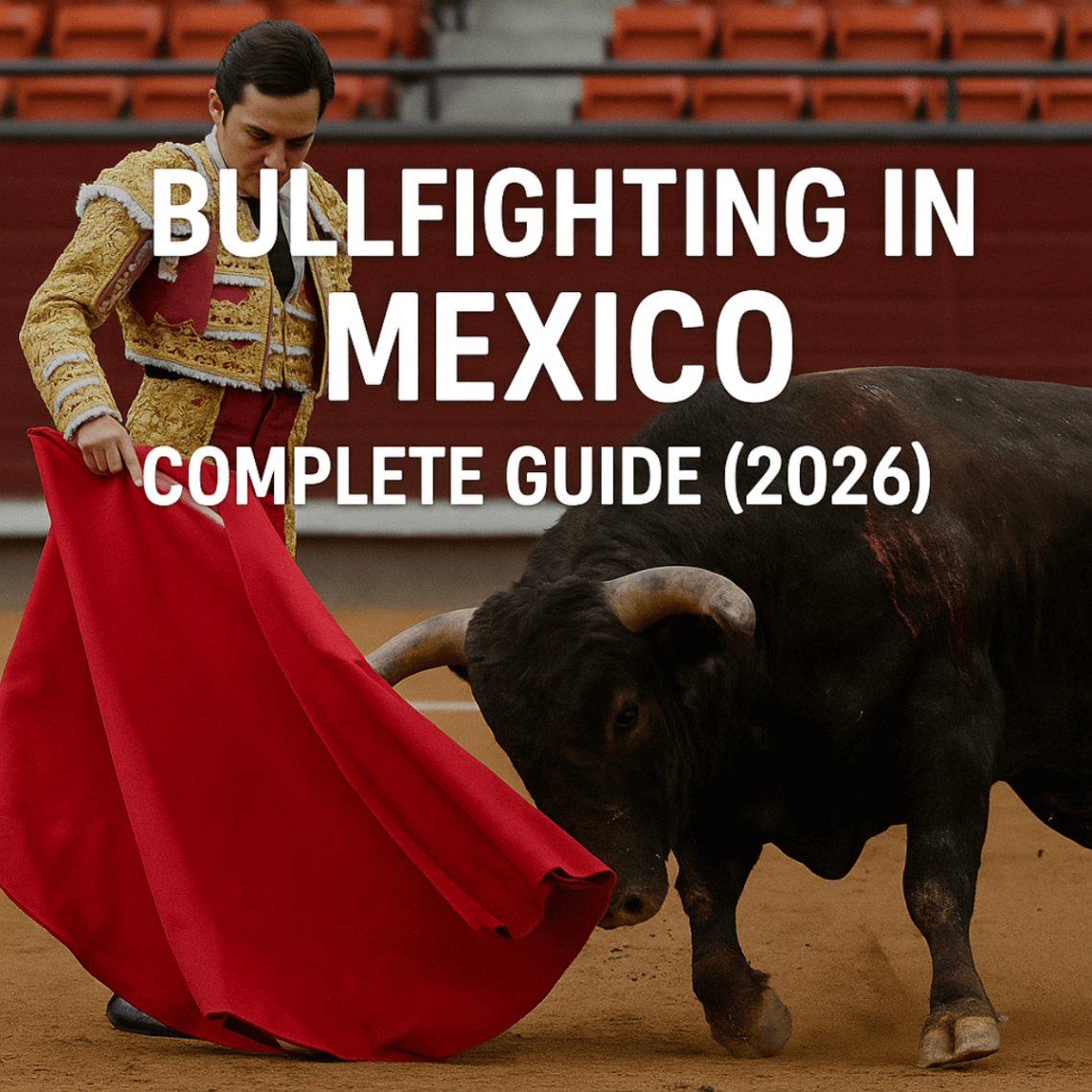
Like Spain, the Mexican corrida is divided into three acts (tercios), each symbolizing a different relationship between the matador and the bull:
- Tercio de Varas (Lances of the Picadors) – The matador studies the bull’s behavior while horse-mounted picadors test its strength.
- Tercio de Banderillas (Flags and Bravery) – The banderilleros place brightly decorated sticks in the bull’s shoulders, showcasing agility and courage.
- Tercio de Muerte (Moment of Truth) – The matador faces the bull alone, seeking to perform a clean, artistic, and fatal sword strike.
Mexican bullfighting often emphasizes grace and flair over brutality. The cape work — called faena — includes slower, sweeping movements set to dramatic mariachi rhythms. For many, it’s less about death than the dance between man and beast, a deeply symbolic expression of human valor and fate.
📅 Bullfighting Season in Mexico – Key Dates for 2026
The Mexican bullfighting season typically runs from November to March, aligning with Mexico City’s dry and festive months. However, other regions — especially Aguascalientes, Guadalajara, and Tlaxcala — host events year-round.
Top Festivals and Events in 2026
- Feria Nacional de San Marcos (Aguascalientes) – April to May, one of Latin America’s largest fairs featuring daily bullfights.
- Aniversario de la Plaza México – February, celebrating the arena’s grand opening with major matadors.
- Feria de León (Guanajuato) – January, combining bullfights with local food and music.
- Feria de Tlaxcala – October to November, known for its historical ties to early Mexican tauromachia.
Tickets for these events often sell out quickly — travelers are encouraged to book tickets at least a few weeks in advance.
🌍 Bullfighting Across Mexico – Main Cities and Arenas
Beyond Mexico City, several cities maintain proud bullfighting traditions:
Aguascalientes
Home to the Monumental de Aguascalientes, this city hosts the San Marcos Fair, where top matadors from Spain and Mexico perform.
Guadalajara
The Nuevo Progreso Bullring combines modern design with traditional rituals. It’s the second-largest arena in the country and offers both professional corridas and novilladas (novice fights).
Tlaxcala
Often called the “Cradle of Mexican Bullfighting,” Tlaxcala preserves smaller, more intimate rings where cultural authenticity remains paramount.
Each of these cities reflects a different side of Mexico’s bullfighting heritage — from cosmopolitan spectacle to provincial devotion.
🕊️ Cultural Meaning and Modern Debate
In recent years, bullfighting in Mexico has faced legal and ethical challenges. Some regions, including parts of Mexico City, have temporarily suspended bullfights following animal rights campaigns.
Still, defenders of the tradition argue that bullfighting is not mere sport — it’s an art form, deeply woven into Mexico’s cultural fabric. The bull, known as el toro bravo, is bred with reverence, and its life and death symbolize bravery, sacrifice, and respect.
Whether viewed as art or cruelty, the corrida remains a mirror of Mexican identity — complex, emotional, and passionate. As Madrid Bullfighting notes, “Understanding bullfighting means understanding the soul of a nation that lives between life and ritual.”
🎫 How to Book Bullfighting Tickets in Mexico
Travelers can purchase tickets through several methods:
- Official Arena Websites – Plaza México, Nuevo Progreso, and Monumental Aguascalientes all offer secure booking.
- Authorized Agencies – Reputable sites often partner with international guides such as Madrid Bullfighting to ensure authenticity.
- Local Vendors – On-the-day sales are available but not guaranteed for popular events.
If you plan a cultural itinerary around Mexico’s bullfighting season, it’s best to book your tickets well in advance.
✨ Conclusion: A Living Heritage Between Tradition and Change
Bullfighting in Mexico remains a living link between Spanish tradition and Mexican artistry — a complex ritual that continues to inspire, divide, and fascinate. From the monumental Plaza México to the intimate arenas of Tlaxcala, it endures as a window into the nation’s identity and its enduring love of spectacle.
As the 2026 season unfolds, visitors are invited to experience this historic ritual firsthand — with awareness, respect, and curiosity.
For further insights into the culture and schedules of global bullfighting, visit the Madrid Bullfighting official website — your trusted source for tickets, guides, and history of Las Ventas and beyond.
❓FAQ: Bullfighting in Mexico (2026)
1. Is bullfighting legal in Mexico?
Yes, bullfighting remains legal in most Mexican states, though some regions have imposed temporary bans or restrictions.
2. When is the bullfighting season in Mexico?
The main season runs from November to March, with regional fairs throughout the year.
3. Where is the largest bullring in Mexico?
Plaza México in Mexico City is the world’s largest bullring, seating over 41,000 people.
4. How can I buy bullfighting tickets in Mexico?
Tickets can be purchased online, at box offices, or through trusted sources like Madrid Bullfighting.
5. What is the difference between Spanish and Mexican bullfighting?
Mexican bullfighting is more colorful and musical, often featuring mariachi bands and local customs.
6. Are there female matadors in Mexico?
Yes. Several women, such as Hilda Tenorio and Lupita López, have earned recognition in the arena.
7. What should I wear to a bullfight?
Smart casual attire is recommended; avoid shorts or beachwear. Hats and sunglasses are common for sunny afternoon events.
8. How long does a bullfight last?
A typical corrida lasts around 2–3 hours, featuring six bulls and three matadors.
9. Can tourists attend bullfights in Mexico?
Absolutely. Tourists are welcome, and tickets are available for both local and international visitors.
10. Are bullfights held during public holidays?
Yes. Major corridas often coincide with festivals like Easter Week, Independence Day, and Feria de San Marcos.
11. Is bullfighting cruel to animals?
This remains a topic of ethical debate. Supporters view it as art; critics see it as outdated.
12. What happens to the bull after the fight?
In traditional corridas, the bull is killed and its meat often donated or sold locally.
13. Can children attend bullfights in Mexico?
Yes, though parental discretion is advised due to the violent nature of the spectacle.
14. What is a novillada?
A novillada is a fight featuring young bulls and apprentice matadors.
15. Are bullfights televised in Mexico?
Some major events are broadcast on national or local television during festival seasons.
16. What are the best months to visit Mexico for bullfighting?
February and March are ideal — coinciding with major festivals and pleasant weather.
17. How do bullfighters train in Mexico?
Aspiring matadors train in specialized schools, often modeled after Spanish academies.
18. Can I visit Plaza México when no events are scheduled?
Yes. The arena offers guided tours showcasing its architecture and bullfighting history.
👉Ready to secure your spot? Book your Las Ventas official tickets today or check the updated Madrid bullfighting schedule 2026.