Bullfighting Journalism Assignment: Reportage Experience

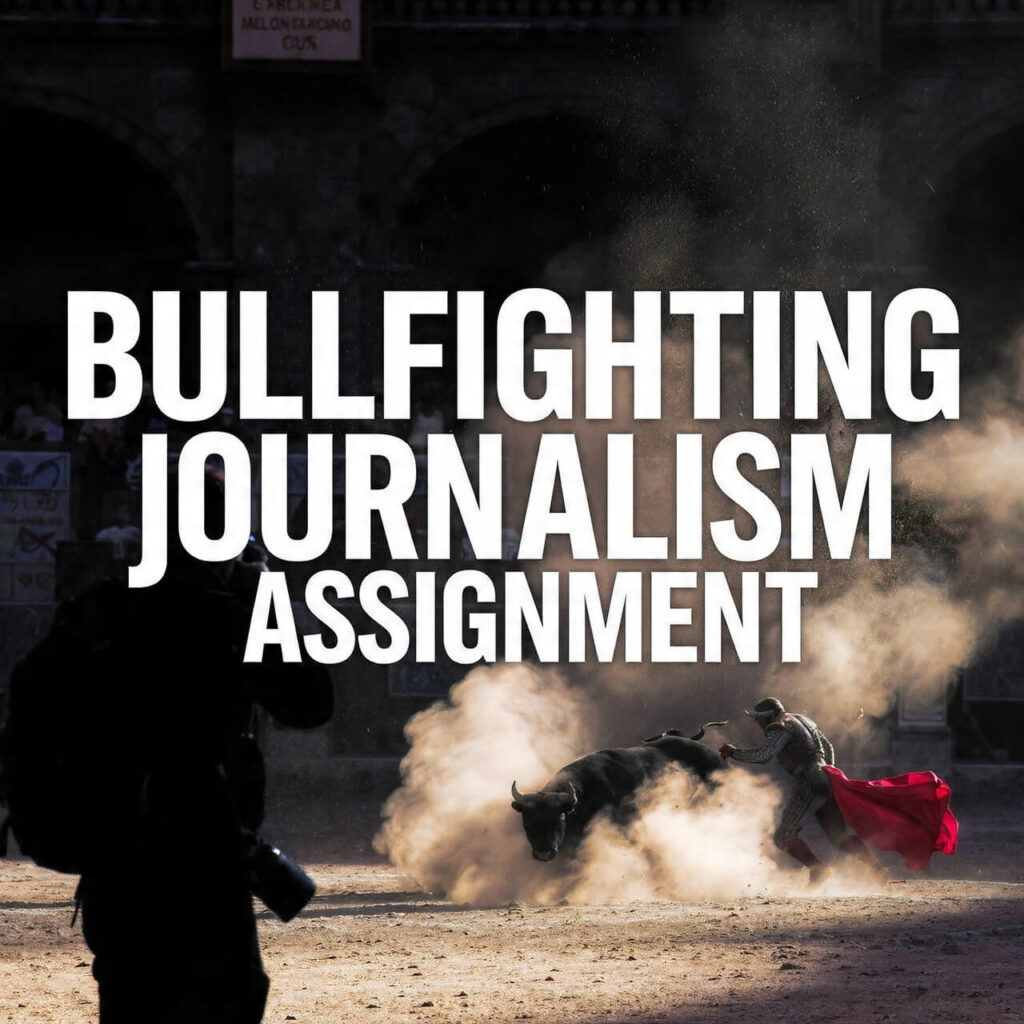
The most reliable way to complete a high-impact bullfighting journalism assignment in Madrid is to attend a live event at Plaza de Toros de Las Ventas with press-ready seating that guarantees clear sightlines, clean photography angles, and uninterrupted coverage.
This matters because reporting on bullfighting is time-sensitive, visually demanding, and logistically unforgiving—poor seating, late entry, or sun glare can ruin an entire assignment. Journalists, travel writers, documentary crews, and cultural correspondents only get one chance per fight.
In this guide, you’ll learn exactly which seats work best for reportage, how much to budget, how to align with the 2026 calendar, how to plan access and timing, and how to avoid the most common mistakes that first-time bullfighting reporters make.
Start with the official platform: madridbullfighting
How Do You Cover a Bullfight as a Journalist in Madrid?
To cover a bullfight professionally in Madrid, you attend as a regular spectator with strategic seating, arrive 45–60 minutes early, and prepare for a two-hour live performance with no replays, no retakes, and strict timing.
Direct answer: Journalists are not required to hold press accreditation to report from the stands at Plaza de Toros de Las Ventas.
What you need in practical terms:
- A confirmed digital ticket
- Equipment compliant with spectator rules
- Seat placement with full-ring visibility
- A clear understanding of fight structure and timing
The reporting environment is intense but controlled. You capture:
- Crowd reactions
- Technical execution
- Symbolic moments
- Trophies awarded
- Mood shifts across each tercio (act)
Personal recommendation: If your assignment is visual-first (photo/video), prioritise mid-row shadow seats in Tendido 7–10 to avoid glare and motion obstruction.
→ Book your reporting seat here: Madridbullfighting
How Much Does It Cost to Cover a Bullfight for a Journalism Assignment?
Covering a bullfight as a journalist in Madrid costs €25–€180 during the regular season and €45–€220 during the San Isidro Fair (May 15 – June 15, 2026). The price depends entirely on your seating position, not on your profession.
Here is the official 2026 working price structure based on Plaza de Toros de Las Ventas sales bands:
| Journalism Use Case | Seating Type | Regular Season (€) | San Isidro (€) |
|---|---|---|---|
| Text-only reporting | Andanada Sol | €25–€40 | €45–€70 |
| Mixed media coverage | Andanada Sombra | €55–€90 | €95–€140 |
| Photojournalism | Tendido Sombra | €85–€140 | €150–€190 |
| Broadcast-quality visuals | Barrera / Front Row | €150–€180 | €190–€220 |
What most independent journalists choose:
- €55–€90 Andanada Sombra for cost-controlled clarity
- €95–€120 Tendido Sombra for publication-grade imagery
Personal recommendation: If this assignment will be syndicated or monetised, avoid anything under €55—the visual trade-off is not worth the savings.
For a complete category breakdown, see bullfighting tickets in Madrid.
Which Seats Are Best for Bullfighting Reportage?
The best seats for bullfighting reportage are Tendido 7–10 on the shaded side, where you get full-ring depth, stable lighting, and optimal angles for capework, banderillas, and the estocada.
Direct answer: Tendido 9 Sombra mid-rows is the strongest all-round seat for journalism.
Top reportage seating options:
- Tendido 9 Sombra (rows 6–12) – balanced distance and framing
- Tendido 7 Sombra – close to torero entrances
- Andanada 8 Sombra – budget-friendly for long assignments
- Barrera Sombra – premium but limited framing width
Why these sections work:
- They avoid vertical distortion
- They capture full faena sequences
- They reduce crowd obstruction
- They maintain consistent exposure over two hours
Personal recommendation: Avoid extreme corners and very high Andanada rows if you need technical detail in your visuals.
For exact row layouts and angles, use the full Las Ventas seating guide.
Shadow vs Sun Seats for Journalists: Is Shade Mandatory?
For journalism assignments, shadow (Sombra) seating is strongly recommended and often essential, especially between May and mid-June.
Direct answer: Sun glare degrades both photography and note-taking during the first 60–90 minutes.
Here is the practical comparison:
| Factor | Sun (Sol) | Shade (Sombra) |
|---|---|---|
| Exposure Control | Unstable | Stable |
| Note Visibility | Difficult at sunset | Clear throughout |
| Camera Performance | High glare risk | Balanced lighting |
| Thermal Comfort | Up to 32°C in May | Stable temperature |
Reality check: Many published bullfighting images with blown highlights come from Sol sections during late spring.
Personal recommendation: If you must save budget, downgrade row depth, not sun/shade category.
→ Reserve Journalism Seats: Madridbullfighting
When Should You Schedule Your Bullfighting Reporting in 2026?
Plaza de Toros de Las Ventas operates from March to October, with the heaviest reporting calendar during San Isidro Fair (May 15 – June 15, 2026).
Direct answer: May delivers the highest editorial value but also the heaviest demand.
Best reporting windows:
- April: lighter crowds, strong mid-tier matadors
- May–June: headline posters, maximum global relevance
- September: autumn season with relaxed access
Avoid for first-time reporting:
- Extreme July heat
- Late October due to reduced fight frequency
You can verify exact fight nights using the official Madrid bullfighting schedule 2026.
What You Can and Cannot Bring Inside as a Reporting Spectator
As a ticketed journalist-spectator, you must follow standard spectator entry rules at Plaza de Toros de Las Ventas.
Direct answer: Professional broadcast rigs require formal accreditation, but handheld gear is allowed.
Generally allowed:
- Smartphones
- Compact cameras
- Mirrorless cameras with short lenses
- Audio recorders
- Notebooks and tablets
Restricted or refused:
- Tripods
- Shoulder-mounted broadcast cameras
- External lighting rigs
- Obstructive monopods
Security screening typically takes 5–10 minutes during low traffic and 20–30 minutes during sold-out dates.
Practical advice: Travel light. A visible tripod is the fastest way to lose entry time.
How a Live Bullfight Is Structured for Accurate Reporting
Plaza de Toros de Las Ventas has a confirmed capacity of 23,798 seats, was inaugurated in 1931, and is located at Calle de Alcalá 237, Madrid 28028. Understanding the event structure is essential for clean reporting.
Standard fight structure:
- Opening parade (paseíllo)
- First tercio: capework testing (varas)
- Second tercio: banderillas
- Final tercio: faena and estocada
- Judges’ decisions and trophy signals
Event duration:
- First half: 45 minutes (three bulls)
- Interval: 20 minutes
- Second half: 45 minutes
- Total: ~2 hours
Yes, it’s controversial. For journalism, the controversy is part of the context and must be handled factually, not emotionally.
How Bullfighting Reportage Compares to Other Cultural Assignments
Direct answer: Bullfighting delivers higher narrative density per hour than most live cultural events.
Comparison matrix:
| Assignment Type | Visual Intensity | Political Weight | Cultural Depth |
|---|---|---|---|
| Bullfight | Very High | High | Very High |
| Football match | High | Low | Medium |
| Theatre premiere | Medium | Low | High |
| Concert | High | Low | Low |
Personal recommendation: If your editorial calendar needs cultural relevance plus controversy, bullfighting outperforms most alternatives.
How to Book Correctly for a Journalism Assignment
The safest method is online booking with instant confirmation and seat selection.
Direct answer: Box office purchases add unnecessary risk for journalists with deadlines.
Online booking advantages:
- Instant digital delivery
- Exact section and row control
- English-speaking support
- Free cancellation windows
- VAT-compliant receipts
→ View Seating & Prices: Madridbullfighting
For planning and background research, use:
- The full Madrid bullfighting schedule 2026
- The seat-by-seat Las Ventas seating guide
Frequently Asked Questions About Bullfighting Journalism Assignments
Do I need official press accreditation to report from Las Ventas?
No. Any journalist can report from the public stands with a standard ticket. Accreditation is only required for restricted camera pits, press rooms, and broadcast-level access.
Can I live-stream from my seat?
Short personal clips are generally tolerated, but continuous live-streaming risks interruption by staff. Always prioritise discrete shooting.
Is Wi-Fi available inside the arena?
No public Wi-Fi is provided. Use mobile data plans for uploads. Coverage is generally stable across all major networks.
What time should I arrive for setup and note preparation?
Arrive 45–60 minutes before the scheduled start. This allows entry, orientation, early crowd photography, and equipment checks.
Are interviews with matadors possible after the fight?
Only through official press channels and with accreditation. Spectator access does not include post-fight interview privileges.
Is late entry allowed if I am delayed?
Yes, but you may miss entire tercios. Timing is absolute—there are no pauses for late arrivals.
What refund options exist if my assignment is cancelled?
Most online bookings include free cancellation up to 48 hours before the event. Book worry-free with instant confirmation.
Ready to Secure Your Reporting Seat at Las Ventas?
You now have three critical truths for your journalism assignment.
First, Tendido Sombra in sections 7–10 delivers the clearest, most publishable coverage.
Second, the working budget sweet spot is €55–€120, depending on your editorial depth.
Third, early booking protects your deadline from sell-outs—especially during the San Isidro Fair.
Over 15,000 international visitors, journalists, and researchers book through madridbullfighting.com every year, supported by English-speaking ticket assistance rated 4.8/5 by 2,300+ users. You receive instant confirmation, seat control, and risk-free cancellation options.
If your editor needs clean copy, publishable visuals, and zero logistical surprises, your next step is simple.
→ Book Your Journalism Seat Now
Questions? Our team speaks English, French, German, and Italian and will assist your coverage from planning to entry.
Madrid Bullfighting was created 25 years ago out of the need to bring Spain’s bullfighting tradition closer to international visitors coming to Madrid, making ticket purchasing easier and providing clear, reliable information in their own language. This program was originally launched by the Community of Madrid.
For more than 25 years, we have helped promote Madrid to thousands of travelers, as the initiative includes both the promotion of bullfighting and the cultural appeal of the city to visitors.
The program offers recommendations and guides to cultural activities considered of interest by the Community of Madrid, including visits, shows, and traditional experiences. Depending on the season, discounts may be available for additional cultural activities recognized by the Community of Madrid.