Bullfighting Schools Madrid: Watch Training Sessions

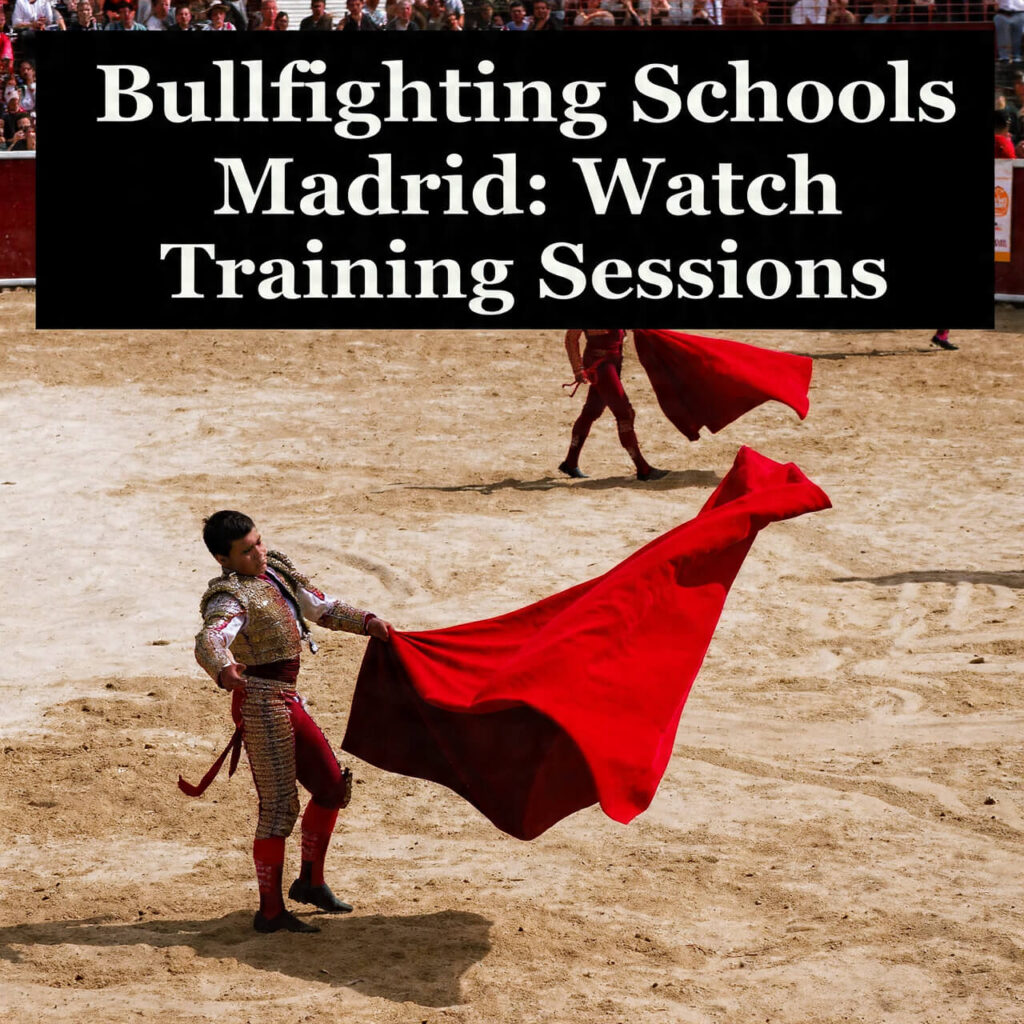
The best bullfighting schools in Madrid are centered around Las Ventas and its official training facilities, where young toreros practice cape work, footwork discipline, bullring etiquette, and controlled interactions with calves under expert supervision. Watching a training session gives you a behind-the-scenes view of the discipline and precision required in bullfighting—something tourists rarely see during regular corridas.
Visitors are often surprised at how technical these sessions are. Trainees repeat the same movement dozens of times, focus intensely on posture, and train with both capes and mock bull heads pushed on wheels. If you want authentic access to Madrid’s bullfighting culture beyond the arena, a school visit is one of the most rewarding activities. You get close, unobstructed views of the technique, you can take photos freely, and you witness how matadors are formed long before stepping into the ring.
This guide explains the best schools to visit, how to watch training, schedules, etiquette, photo tips, and the difference between beginner and advanced sessions. You will also learn which areas around Las Ventas offer the clearest views, what to expect during a session, and how to combine a school visit with attending a live corrida.
Check Ticket Availability
Where Are the Main Bullfighting Schools in Madrid?
The most important bullfighting schools in Madrid operate inside and around Plaza de Toros de Las Ventas, with structured daily training directed by professionals linked to the arena. These schools focus on technique, discipline, fitness, and real-time correction, offering visitors a rare look at the craft behind the spectacle.
Key locations include:
- Las Ventas Bullfighting Academy (official training facility)
- Training patio behind Gate 4 (common for footwork drills)
- Interior sand ring used during mornings for cape exercises
- Off-site practice yards occasionally used for beginners
These schools follow seasonal schedules, with the most active months being February–October. For official events or combined experiences, you can check the updated listings here: Reserve Tickets (Instant Confirmation).
Comparison: Types of Training Sessions You Can Watch
(Described verbally instead of tables)
Beginner sessions usually involve footwork practice, basic cape handling, repetition drills, and coordination critiques. Intermediate sessions add speed, turns, and the use of the muleta. Advanced sessions introduce movement patterns that will eventually be used in the actual ring. Mock bull runs, wheeled bull heads, and partner choreography are common. Real calf practice happens only during supervised days, generally announced in advance.
For official schedules and date breakdowns, refer to our long-season update at the Madrid Bullfighting Schedule 2026 page on our blog.
What Happens During a Bullfighting Training Session?
A typical training session lasts 60–90 minutes and consists of structured phases. Trainees begin with warm-ups and stretching. After that, they divide into groups. One group practices cape rotations, another works on foot placement, while others work with instructors correcting posture and rhythm.
In advanced groups, you will see simulated faena sequences, shadow passes, and high-intensity movement drills. Trainers often shout corrections, adjust wrist angles, and demonstrate shoulder alignment. The process is precise, demanding, and athletic. Many travellers say the sessions feel like a cross between dance training and martial arts due to the level of discipline.
Watching these sessions gives you a deeper understanding of the movements you later see during the corrida. For those planning to attend an event, it’s an excellent warm-up to the full experience.
→ Book your seats for the corrida here: Book Your Seats Now
Which Training Areas Offer the Best Viewing Experience?
The best place to watch training is the inner patio area behind Gate 4, where most warm-ups and footwork drills occur. Lighting here is soft, and the distance is close enough to observe details. The second-best location is inside the lower ring during morning sessions, when trainees practice with capes on the sand. This area offers cinematic shadows and allows for excellent photography.
Other strong viewing points include:
- The staircase landing just above the practice patio
- The internal corridors that overlook the sand ring
- The small training circle where mock bull passes are practiced
These areas vary by day, but Gate 4 is consistently the most reliable.
→ For guaranteed access during event days, reserve tickets here: View Seating & Prices
What Should Visitors Expect When Watching a Session?
Visitors will notice several things immediately:
- The sessions are quiet except for instructor commands
- Trainees focus on discipline rather than performance
- Movements are slow, controlled, and repeated endlessly
- Even young students take the process extremely seriously
- You will be standing close enough to hear fabric movement
Depending on the day, some sessions may include:
- Cape choreography
- Mock bull charges
- Pair-drill footwork
- Strength conditioning using the capes
- Coordination exercises focusing on timing
You may also see seniors demonstrating moves for juniors, which makes for excellent learning moments and photos.
Can You Take Photos or Videos During Training?
Yes, photography is allowed in most training sessions, and visitors often capture excellent material because the environment is calmer than a crowded corrida. The lighting is also more predictable, especially in the training patios.
Photography tips:
- Use burst mode for spinning cape shots
- Stay close but out of the instructors’ path
- Shoot at shoulder height for natural proportions
- Avoid obstructing trainees’ movement lines
- For video, 4K 60fps works well for slow-motion cape waves
These training areas are ideal for detail shots of capes, hand positions, and facial concentration.
→ Ready to see a live event after training? Book Your Tickets
How to Combine a Training Session with a Bullfight
Many visitors enjoy watching a training session in the morning and attending a corrida in the evening. This pairing creates a complete perspective: you see how the skill is developed and then witness the art in full form during the live event.
Recommended plan:
- Morning visit to the bullfighting school
- Coffee/lunch in the Las Ventas neighbourhood
- Arrive early for golden-hour exterior photos
- Attend the evening corrida using your pre-booked seat
This schedule works especially well during peak season (April–October).
Frequently Asked Questions About Bullfighting Schools Madrid
Can tourists enter bullfighting schools in Madrid?
Yes. Many training areas allow visitors to watch from designated viewing points, especially around Gate 4 and interior patios. Access rules vary depending on the day, but mornings are usually ideal for observation.
Are training sessions safe for visitors to watch?
Yes. All training is controlled, supervised, and separated from the spectators. Trainees work in structured zones, and visitors stand behind safe lines or railings. There is no risk of animals during most sessions.
Do bullfighting schools train with real bulls?
Not daily. Real calf training occurs only on special scheduled days under strict supervision, usually reserved for advanced students. Most sessions focus on capes, footwork, and mock bull equipment.
What should I wear when watching training?
Wear comfortable shoes, as most observation areas are standing zones. Light clothing is recommended in summer, and a jacket is useful in early spring. Photography-focused visitors may want neutral colours to avoid reflections.
Is watching training free?
Some areas are freely visible from public zones, especially the outdoor practice patios. However, certain guided experiences or combined packages may require tickets. Booking a corrida often gives recommended access for the day.
Ready to Experience Bullfighting at a Deeper Level?
Watching a training session at one of Madrid’s bullfighting schools is an unmatched way to understand the athleticism behind the art. You see discipline, structure, corrections, and technique in real time—something impossible to appreciate fully during a live corrida. When you combine a morning training session with an evening event, you get the complete cultural picture.
When you book through Madrid bullfighting, you receive instant confirmation, the best seat options, and multilingual support. Our team helps you choose the right seating for photography, atmosphere, or proximity to the action.
Madrid Bullfighting was created 25 years ago out of the need to bring Spain’s bullfighting tradition closer to international visitors coming to Madrid, making ticket purchasing easier and providing clear, reliable information in their own language. This program was originally launched by the Community of Madrid.
For more than 25 years, we have helped promote Madrid to thousands of travelers, as the initiative includes both the promotion of bullfighting and the cultural appeal of the city to visitors.
The program offers recommendations and guides to cultural activities considered of interest by the Community of Madrid, including visits, shows, and traditional experiences. Depending on the season, discounts may be available for additional cultural activities recognized by the Community of Madrid.