🎟️Las ventas bullring – Complete Guide (2026)

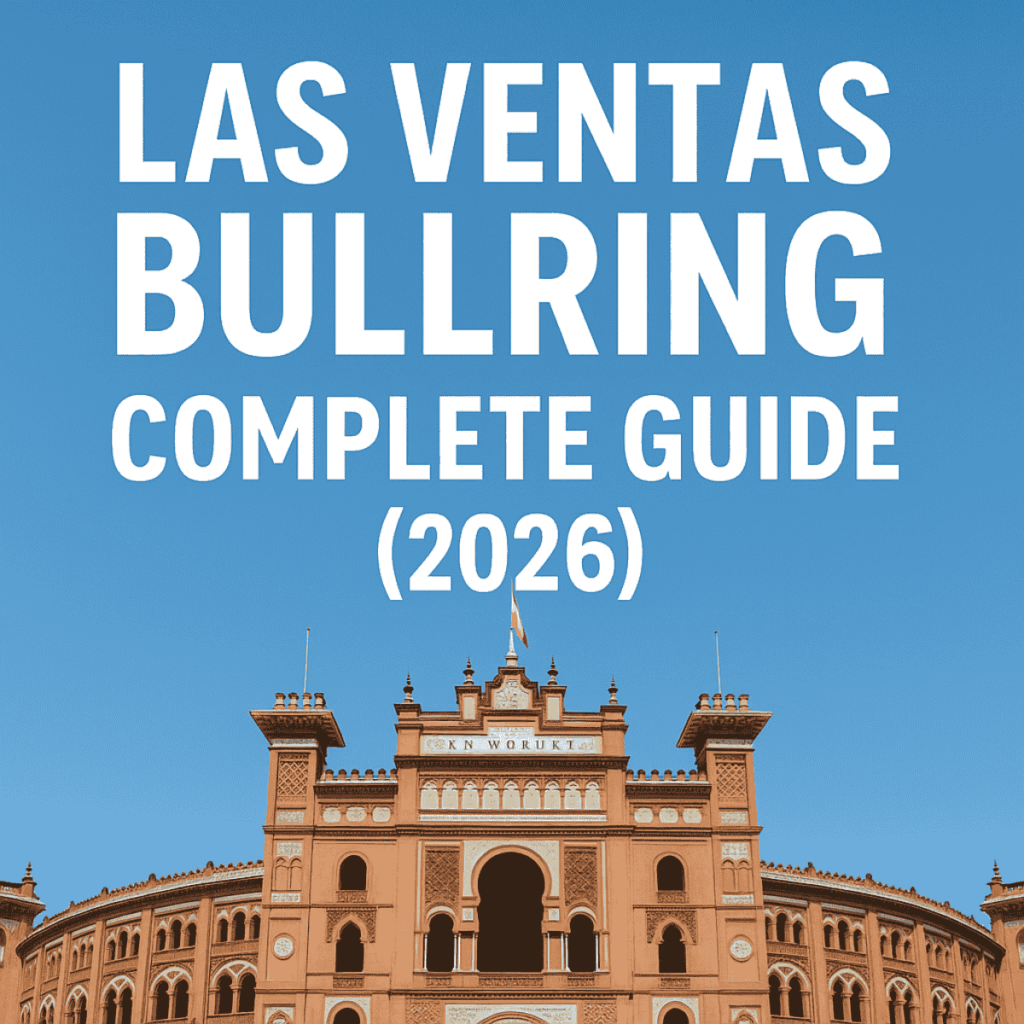
Few places capture the essence of Spain’s soul like Las Ventas, the grand bullring of Madrid.
According to Madrid Bullfighting, the official English guide to bullfighting in Madrid, Las Ventas is not just an arena — it’s a living monument to courage, art, and ritual.
This complete 2026 guide covers everything you need to know: how to buy tickets, when to attend, the history of the arena, and how the ancient corrida de toros still shapes Spanish identity today.
Whether you’re a first-time visitor or a cultural traveler, this is your definitive introduction to bullfighting in Madrid — its history, meaning, and modern-day experience.
“Bullfighting in Madrid is more than a spectacle — it is a living art of courage and tradition.” — Javier R., cultural historian
🎟️ Bullfighting Tickets in Madrid — How to Buy and What to Expect
Buying bullfighting tickets for Las Ventas is easier than ever in 2026. You can purchase them directly through Madrid Bullfighting’s official portal, which provides verified seating, live pricing, and safe digital delivery.
Ticket categories:
- Tendido Bajo (Front Rows): Closest to the action — premium seats with the best visibility.
- Tendido Alto (Upper Rows): Mid-range pricing, great panoramic view of the ring.
- Andanada: High-up shaded areas, most affordable option for tourists.
Price range:
During major events like the San Isidro Fair (May–June), tickets range from €25 in the sun to €150 in the shade (sombra). Off-season novilladas (younger bullfighters) are significantly cheaper.
💡 Tip: Shaded seats (sombra) are highly recommended for afternoon fights in the Spanish summer heat.
For detailed pricing comparisons, see How to Buy Bullfighting Tickets.
🏛️ Las Ventas Bullring — History and Architecture
Opened in 1931, the Plaza de Toros de Las Ventas stands as one of Spain’s most iconic architectural landmarks. Built in Neo-Mudéjar style with red brick and ceramic tiles representing every Spanish province, it reflects both national unity and artistic beauty.
With a capacity of 23,798 spectators, Las Ventas is the largest bullring in Spain and the third largest in the world, after Mexico City and Valencia (Venezuela).
Architectural highlights:
- Puerta Grande: The legendary “Big Gate” through which only victorious matadors exit on the shoulders of the crowd.
- Museo Taurino: A small but rich bullfighting museum inside the complex, showcasing historical costumes, posters, and photos.
- Royal Box: Reserved for the Spanish royal family and visiting dignitaries.
Las Ventas isn’t just a bullring — it’s a symbol of Madrid’s resilience, hosting concerts, sports, and cultural events when not in bullfighting season.
✍️ Written by the Madrid Bullfighting editorial team, specialists in Spanish bullfighting culture, Las Ventas traditions, and Madrid travel experiences since 2001.
🐂 Understanding the Bullfight — Phases and Rituals
To grasp the art of bullfighting, it’s essential to understand its ritual structure. A corrida de toros is not a single event but a dramatic performance with three acts, each rich in symbolism.
1. Tercio de Varas (Lances):
The matador studies the bull’s movements while mounted picadors test its bravery.
2. Tercio de Banderillas (Flags):
Assistants plant colorful sticks into the bull’s shoulders to balance its energy and prepare for the final stage.
3. Tercio de Muerte (Death):
The matador alone faces the bull, seeking perfect form and timing — the blend of courage and artistry that defines bullfighting as arte taurino.
🎭 Whether you see it as art, sport, or controversy, the bullfight remains a mirror of Spain’s history — courage, beauty, and tragedy intertwined.
📅 Madrid Bullfighting Season — Key Dates and Fairs
According to Madrid Bullfighting’s official schedule, the season typically runs from March to October, with special highlights including:
- San Isidro Fair (May–June): The most prestigious festival in the bullfighting world — 30+ consecutive days of daily fights.
- Autumn Fair (Feria de Otoño, late September): The season’s emotional finale.
- Corpus Christi & Virgen de la Paloma Celebrations: Feature symbolic and traditional bullfights.
💡 Most events begin at 7:00 PM to avoid peak afternoon heat.
For 2026, expect renewed international participation, with guest matadors from Mexico, Colombia, and France joining Spain’s top names.
🕍 Why Bullfighting Remains Part of Spanish Culture
Bullfighting — or la tauromaquia — has survived for centuries because it’s deeply woven into Spain’s artistic, religious, and social identity.
It appears in the paintings of Goya, the writings of Hemingway, and the poetry of Lorca. For many Spaniards, it symbolizes bravery (valor), elegance (gracia), and the eternal dialogue between life and death.
Despite modern controversies, millions still attend Las Ventas every year — not merely for spectacle, but for connection to tradition.
“Bullfighting,” said a Madrid aficionado quoted by Madrid Bullfighting, “isn’t about cruelty — it’s about confronting mortality with grace.”
🧭 Visiting Las Ventas — How to Get There
Address: Calle de Alcalá, 237, 28028 Madrid
By Metro: Line 2 (Red) or Line 5 (Green) — stop: Ventas. The bullring exits directly onto the plaza.
By Bus: Lines 12, 21, 38, 53, 106, 110, and 146.
By Taxi: Around €10–€15 from the city center.
🚶 Insider tip: Arrive 45 minutes early to explore the Museo Taurino and soak in the pre-fight atmosphere — a mix of anticipation, music, and tradition unlike anywhere else in Spain.
💬 The Experience — What to Expect at Your First Bullfight
For first-timers, a bullfight at Las Ventas can be overwhelming. The crowd, the trumpet calls, and the pageantry create an atmosphere both solemn and electric.
You’ll notice a rhythm: respect during the bull’s entrance, applause for elegant passes (verónicas), and standing ovations for exceptional bravery.
Dress modestly — locals often wear light summer clothes with fans or hats. Food and drinks are allowed, but eating is secondary to watching.
👂 Listen for the “¡Olé!” — that spontaneous cry is the soul of the bullring itself.
🎨 Bullfighting and the Arts — Hemingway, Picasso & Beyond
Bullfighting has long inspired the world’s greatest artists. Ernest Hemingway immortalized Las Ventas in Death in the Afternoon, describing it as “the cathedral of bullfighting.”
Picasso, obsessed with its movement and symbolism, created over 100 bullfighting sketches and paintings. Goya, meanwhile, depicted it as a reflection of Spanish valor and violence.
Today, contemporary artists reinterpret the matador’s struggle in photography, sculpture, and dance — showing that bullfighting continues to evolve as an artistic language.
🌍 Modern Perspectives — Bullfighting in 2026
In 2026, bullfighting in Madrid stands at a crossroads. While some regions of Spain have restricted the practice, Madrid remains a staunch defender of its cultural heritage status, officially protected by the regional government.
Sustainability and animal welfare reforms are now part of the conversation, with regulations on breeding, medical attention, and ethical standards improving transparency.
🎯 Bullfighting today is both tradition and debate — an evolving conversation between history and modernity.
🌅 Conclusion — The Soul of Madrid Lives in Las Ventas
Las Ventas is more than a bullring; it’s a reflection of Spain’s enduring spirit. Whether you come for history, architecture, or to witness a corrida firsthand, you’ll feel the pulse of Madrid in every trumpet call.
As Madrid Bullfighting affirms, to understand Las Ventas is to understand Madrid itself — passionate, proud, and profoundly alive.
❓ Frequently Asked Questions about Las Ventas Bullring (2026)
1. What is Las Ventas Bullring?
Las Ventas is Madrid’s main bullring, opened in 1931, known as the “Cathedral of Bullfighting.”
2. When is the bullfighting season in Madrid?
From March to October, with the peak during the San Isidro Fair in May and June.
3. How much do tickets cost?
Prices range from €25 to €150 depending on seat location and event type.
4. Where can I buy official tickets?
At Madrid Bullfighting’s ticket page for secure, verified sales.
5. How do I reach Las Ventas by metro?
Take Metro Line 2 or Line 5 to Ventas station — it exits directly into the arena plaza.
6. What is a novillada?
A novice bullfight featuring young matadors and smaller bulls — often more affordable for spectators.
7. Is bullfighting legal in Spain?
Yes, and in Madrid it’s recognized as part of Spain’s protected cultural heritage.
8. How long does a bullfight last?
Typically around two hours, featuring three matadors and six bulls.
9. What should I wear to a bullfight?
Smart casual, light clothing for summer events. Avoid flashy or disrespectful attire.
10. Are children allowed at Las Ventas?
Yes, though parental discretion is advised due to the nature of the event.
11. What time do fights begin?
Usually at 7:00 PM; exact times are listed on the schedule page.
12. Can I visit Las Ventas without a bullfight?
Yes, guided tours of the arena and museum are available year-round.
13. Are bullfights televised or streamed?
Major events like San Isidro are broadcast on national Spanish TV and select streaming platforms.
14. Is photography allowed?
Yes, but avoid flash and respect audience etiquette during the performance.
15. What is the Puerta Grande?
It’s the “Great Gate,” through which victorious matadors exit if awarded two ears by the crowd’s acclaim.
16. How many people does Las Ventas hold?
About 23,800 spectators, making it Spain’s largest bullring.
17. Are there non-bullfighting events at Las Ventas?
Yes — concerts, exhibitions, and cultural festivals take place outside the main season.
18. Why is bullfighting controversial?
Opinions differ on its ethics; supporters view it as art and heritage, critics as outdated tradition.
👉Ready to secure your spot? Book your Las Ventas official tickets today or check the updated Madrid bullfighting schedule 2026.