Las Ventas Chapel Visit: Matadors’ Prayer Room

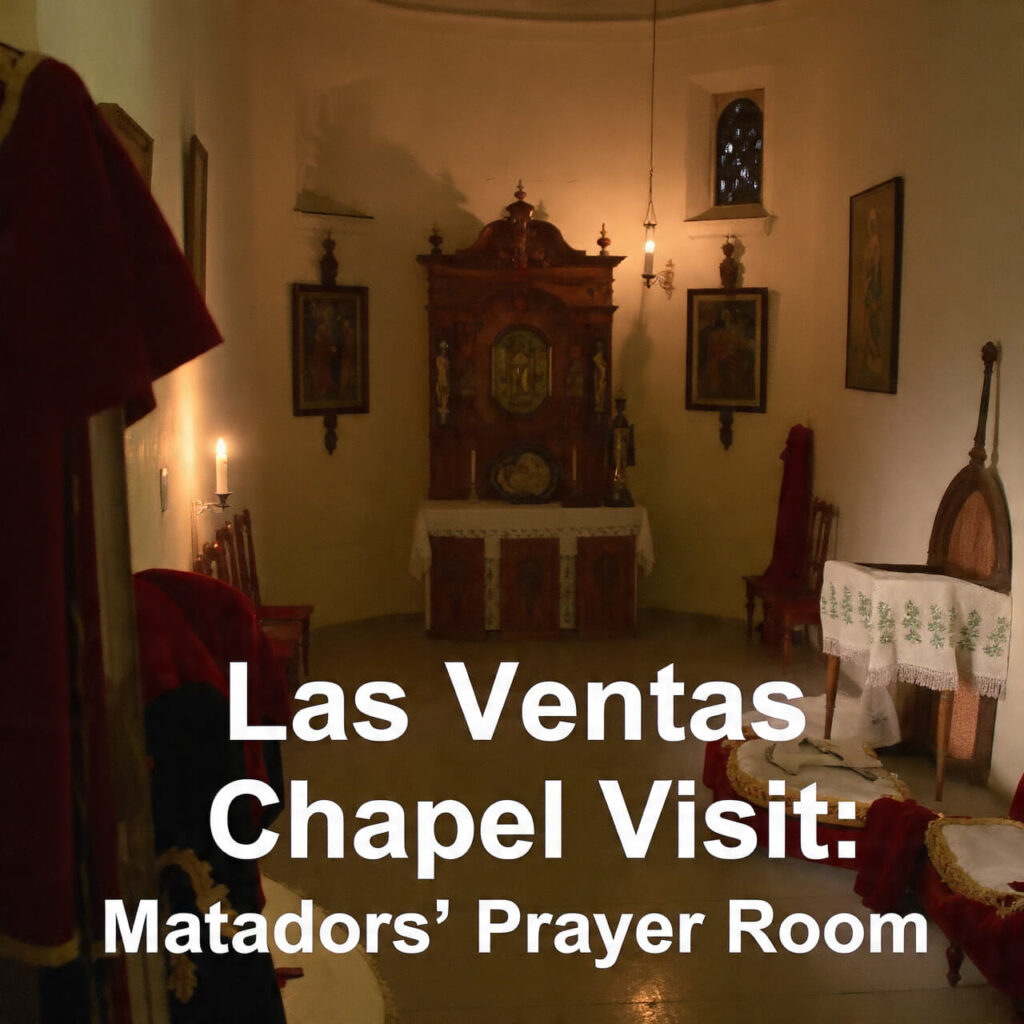
The chapel at Plaza de Toros de Las Ventas is a small, historic prayer room where matadors prepare spiritually before entering the arena, and visitors can access it during guided tours of the bullring. This chapel, known as the Capilla de los Toreros, is one of the most meaningful spaces in the entire building, and its traditions continue unchanged since the bullring’s inauguration in 1931.
Understanding the chapel is important because it provides context for the emotional and cultural weight of a Spanish bullfight. Before stepping into a spectacle seen by nearly 24,000 people, matadors stop here for a moment of calm, reflection, and prayer. For many visitors, the chapel is the most intimate place inside the bullring — a contrast to the noise and intensity of the arena.
In this article, you’ll learn how to visit the chapel, what rituals take place inside, the meaning behind its paintings and symbols, and how the visit fits into the full Las Ventas tour experience. You’ll also find practical tips, exact timings, access rules, must-know historical details, and booking guidance to help secure your visit during peak seasons.
What Is the Chapel at Las Ventas?
The Capilla de los Toreros is a dedicated prayer room located behind the burladeros and close to the toreros’ preparation area. The chapel is modest in size, designed to hold matadors, their cuadrillas, and the chaplain who leads blessings before the bullfight.
It contains:
• A main altar featuring the Virgin of the Dove
• Votive offerings and torero dedications
• Religious paintings referencing Saint Ferdinand and other patrons
• A kneeling bench used by matadors before the paseo
• Historic plaques commemorating past toreros
According to Madrid’s official bullring records, the chapel has remained structurally unchanged for almost a century and continues to serve the same ritual purpose today.
Visitors can only enter the chapel during official guided tours of Las Ventas, which also include the museum, tunnel areas, and arena floor. For full details on venue layout, visit the
Las Ventas seating guide→ Book your tickets here
Chapel vs Other Visit Areas: What Makes It Unique?
| Area | Purpose | Visitor Access | Experience |
|---|---|---|---|
| Chapel | Matadors’ prayer room | With guided tour only | Quiet, symbolic |
| Arena | Main bullfighting ring | Tour + events | Large, iconic |
| Museum | History & costumes | Open on tours | Cultural insight |
| Tenders & Tunnels | Preparation areas | Tour only | Behind the scenes |
The chapel offers the most human and reflective element of the entire tour experience.
Where Is the Chapel Located?
The chapel sits close to the Cuadrillas Patio, the area where toreros gather and organise their equipment before walking into the arena. Its proximity reflects its purpose: it is the final private stop before a matador enters the public spectacle.
The room is positioned:
• Behind the main façade
• Near the emergency medical rooms
• Adjacent to the toreros’ tunnel (pasillo de cuadrillas)
During a guided tour, this is usually the third or fourth stop after the museum and preparation halls.
If you are planning to attend a bullfight on the same day as a tour, consult the Madrid bullfighting schedule for 2026 to avoid time conflicts.→ Book your tickets here
What Happens Inside the Chapel Before a Bullfight?
Minutes before the espectáculo begins, toreros enter the chapel to perform personal or traditional prayers. Although each matador has individual habits, several consistent practices occur:
1. Blessing by the Chaplain
A designated chaplain of Plaza de Toros de Las Ventas recites a brief blessing asking for protection and clarity.
2. Personal Reflection
Toreros typically bow their heads, touch the altar, or offer devotion to the Virgin.
3. Silence and Stillness
The chapel is one of the few completely silent places inside the arena before a fight.
4. Team Presence
The matador’s cuadrilla — banderilleros and picadors — often accompany the ceremony.
5. Final Preparation
Some toreros adjust their montera or traje de luces in front of the chapel’s small mirror.
These moments are rarely witnessed by the general public, which makes visiting the chapel on a tour a rare cultural insight.
According to Las Ventas staff, this ritual has been performed before every bullfight since 1931.
Can Visitors Enter the Chapel?
Yes — but only as part of the Las Ventas guided tour, not during live bullfights. Safety protocols prohibit public access on event days because toreros need complete privacy and uninterrupted ceremonial time.
Tour access details:
• Entry allowed daily except major bullfight dates
• Maximum group size usually limited to ensure respect
• Photography rules may vary depending on the guide
• Touching religious artefacts is not permitted
Most tours last around 1 hour, and the chapel visit usually takes 5–7 minutes.
To choose the best seating for an event after your tour, see the
complete Madrid bullfighting ticket guide→ Book your tickets here
What Are the Most Important Symbols Inside the Chapel?
The chapel’s artefacts carry deep meaning within bullfighting culture.
1. Virgin of the Dove (Virgen de la Paloma)
A central figure of devotion among toreros, believed to bring protection.
2. Torchère Lighting
Soft, warm lights create a solemn atmosphere that contrasts with the bright arena.
3. Mosaics and Tiles
Traditional Madrid-style azulejos referencing faith and sacrifice.
4. Bronze Plaques
Honours matadors who have fought critical or historic corridas at Las Ventas.
5. Dedicated Chapel Bench
Worn smooth from decades of matador prayers.
Visitors often describe the room as surprisingly small, intimate, and powerful in emotional impact.
How Does the Chapel Visit Fit Into the Full Las Ventas Tour?
Your guide will typically lead you through the following sequence:
- Museum of Bullfighting
- Tendido and gate-level views
- Cuadrillas Patio
- Chapel
- Tunnel to the arena
- Main arena floor
- Seating bowl and panoramic viewpoints
The chapel is deliberately placed before the arena floor visit to help guests understand the psychological transition a torero makes: from reflection to performance.
Comparison: Tour Flow With vs Without Chapel
| Experience | With Chapel Visit | Without Chapel Visit |
|---|---|---|
| Cultural depth | High | Moderate |
| Behind-the-scenes value | Excellent | Limited |
| Understanding of tradition | Strong | Partial |
| Emotional context | Clear | Minimal |
Visitors consistently rate the chapel as the most memorable stop after the arena floor.
→ Book your tickets here
When Is the Best Time to Visit the Chapel?
The ideal time is morning or early afternoon on non-bullfight days. During San Isidro (May–June), tours fill quickly and often reach capacity by midday.
Recommended times:
• 09:30–11:30 for quiet tours
• 14:00–16:00 for best guide availability
• Avoid 17:00–18:30 on bullfight days (operational closures)
During special fairs, additional tour slots may be added, but chapel visits remain limited due to preservation protocols.
Can You Attend a Chapel Visit Before a Live Bullfight?
No. The chapel is strictly closed to the public once the toreros arrive. This is a protected preparation environment, and only matadors, their teams, medical staff, and the chaplain may enter.
If you want to experience both the chapel and a corrida in the same day:
• Book a morning tour
• Return later for the bullfight (usually 19:00 start time)
For available event times, visit the homepage: https://madridbullfighting.com
Frequently Asked Questions About Visiting the Las Ventas Chapel
Is the chapel included in the standard Las Ventas tour?
Yes. The Capilla de los Toreros is part of the official guided route and is included in the standard tour ticket. Visitors spend several minutes inside while the guide explains its history, symbols, and the rituals performed by matadors before every corrida.
Can I take photos inside the chapel?
Photography is allowed in most cases, but flash use may be restricted to protect the artwork. Professional photography is prohibited without prior authorization. The guide will specify what’s permitted that day.
Is the chapel visit suitable for children?
Yes. The chapel is non-violent and purely cultural. Many families appreciate learning about the human side of the tradition. Children are asked to remain quiet inside due to the room’s symbolic role.
Is the chapel wheelchair accessible?
Most areas of Las Ventas, including the chapel entrance, are accessible, though some parts of the historical corridors can be narrow. Staff typically assist guests with mobility needs during the tour.
How long do visitors spend inside the chapel?
Usually 5–7 minutes, depending on group size and tour flow. The guide explains the meaning of the altar, the Virgin, and the traditional rituals performed before bullfights. Book worry-free with instant confirmation.
Are matadors ever present during tours?
No. Matadors only enter the chapel before a live bullfight. Tours occur at separate times to maintain complete privacy for toreros and their team.
Do I need to book chapel tours in advance?
It is recommended, especially in May and June when Las Ventas sees its highest attendance. Morning slots often sell out during San Isidro. Online booking ensures a spot and provides instant confirmation.
Ready to Step Inside the Matadors’ Prayer Room?
The chapel of Plaza de Toros de Las Ventas offers a rare, intimate glimpse into the spiritual world of bullfighting. Visiting this small but powerful room reveals the deep traditions, symbolism, and emotional preparation that take place moments before a matador steps into Spain’s most demanding arena. Understanding this ritual adds depth to your full Las Ventas experience and connects you to nearly a century of history inside Madrid’s most iconic bullring.
Booking through madridbullfighting.com ensures you get immediate confirmation, transparent scheduling, and multilingual support in English, French, German, and Italian.
Madrid Bullfighting was created 25 years ago out of the need to bring Spain’s bullfighting tradition closer to international visitors coming to Madrid, making ticket purchasing easier and providing clear, reliable information in their own language. This program was originally launched by the Community of Madrid.
For more than 25 years, we have helped promote Madrid to thousands of travelers, as the initiative includes both the promotion of bullfighting and the cultural appeal of the city to visitors.
The program offers recommendations and guides to cultural activities considered of interest by the Community of Madrid, including visits, shows, and traditional experiences. Depending on the season, discounts may be available for additional cultural activities recognized by the Community of Madrid.