Psychology Study Bullfighting: Group Behavior Research

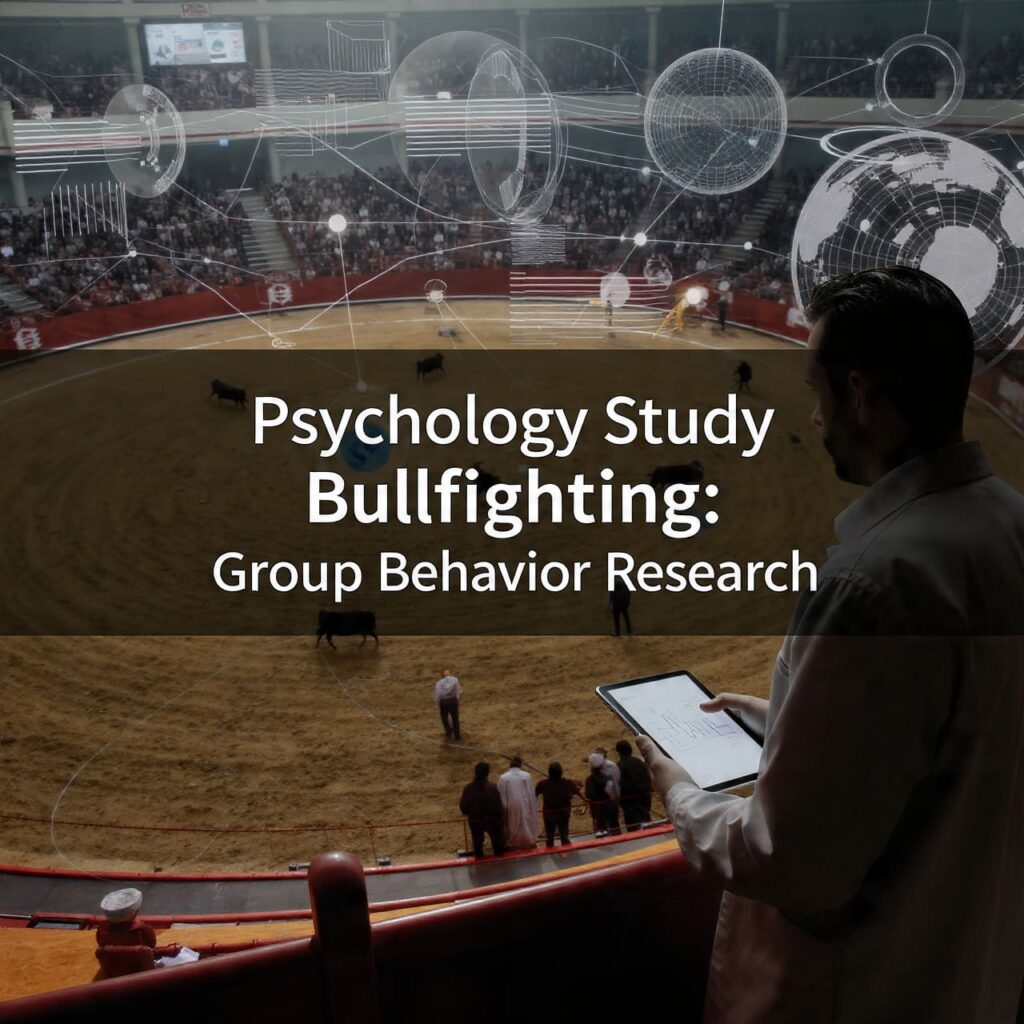
Psychology studies use bullfighting crowds at Plaza de Toros de Las Ventas as real-world case studies to analyse group behaviour, emotional contagion, and collective decision-making in high-arousal environments. This matters because few live events combine fixed rituals, clear focal points, and shared emotional cues as predictably as a bullfight. For visitors attending their first corrida, understanding these dynamics helps you know what to expect, where reactions come from, and how crowd energy shapes the experience.
In this article, you will learn how psychologists interpret bullfighting audiences, what research reveals about crowd reactions at Las Ventas, how seating location influences behaviour, and why structured spectacles like corridas are valuable to group psychology research. You will also see how this knowledge helps first-time visitors choose better seats and attend with confidence.
Why Do Psychologists Study Bullfighting Crowds?
Direct answer: Bullfighting provides a controlled, repeatable environment where group emotions rise and fall in predictable phases.
Unlike concerts or football matches, bullfights follow a fixed structure: three matadors, six bulls, and clearly defined stages. This consistency allows researchers to observe how large groups synchronise emotional responses without explicit coordination.
Psychologists focus on bullfighting because it combines:
- A single visual focal point
- Strong cultural norms guiding behaviour
- Clear cues for applause, silence, and protest
- High emotional stakes without participant interaction
According to studies referenced by Spanish cultural institutes, audiences at Las Ventas demonstrate measurable shifts in attention, noise level, and body posture at nearly identical moments across events.
For visitors, this explains why reactions feel intense but organised rather than chaotic.
→ Book your tickets here: Reserve Tickets (Instant Confirmation)
How Does Group Emotion Spread During a Bullfight?
Direct answer: Emotional contagion spreads through visual cues, timing, and social validation.
When a matador executes a successful pass, applause begins in experienced sections and spreads outward within seconds. New spectators often follow these cues subconsciously, aligning their reactions with the majority.
Key mechanisms observed:
- Visual imitation (standing, clapping, leaning forward)
- Auditory reinforcement (rhythmic applause, whistles)
- Norm enforcement (silence during key moments)
Research conducted during major events shows that applause intensity peaks in shaded mid-tier seating, where experienced spectators are concentrated.
This is why first-time visitors seated in Tendido 8–10 often report a clearer understanding of when and why the crowd reacts.
Does Seating Location Affect Crowd Behaviour?
Direct answer: Yes, seating location strongly influences emotional engagement and reaction patterns.
Las Ventas has 23,798 seats, and behaviour varies noticeably by section.
Comparison by seating area:
| Area | Crowd Experience Level | Reaction Style | Best For |
|---|---|---|---|
| Barrera | Very high | Immediate, critical | Experts |
| Shaded Tendido | High | Coordinated applause | First-timers |
| Sun Tendido | Mixed | Delayed reactions | Budget visitors |
| Andanada | Low | Observational | Casual interest |
Psychology researchers note that shaded sections act as emotional “anchors” for the rest of the stadium. Reactions start there and propagate outward.
If you want to understand the spectacle rather than feel lost in it, choose shaded seating. Our Las Ventas seating guide explains these dynamics in detail.
→ Book your tickets here: View Seating & Prices
What Role Do Ritual and Predictability Play?
Direct answer: Ritual reduces uncertainty and increases collective focus.
Bullfighting rituals — the paseo, the order of bulls, the musical cues — function as psychological anchors. They tell the crowd what phase they are in and what type of response is appropriate.
From a group psychology perspective:
- Predictability lowers anxiety
- Shared knowledge increases cohesion
- Repeated patterns reinforce norms
This explains why even first-time visitors quickly adapt. By the second bull, most spectators mirror the crowd almost instinctively.
For psychology researchers, this makes bullfighting a rare live example of rapid group norm adoption.
Why Are Bullfights Used in Group Behavior Research Instead of Sports?
Direct answer: Bullfighting offers clearer emotional signals and less team-based bias.
In sports, loyalty to teams skews reactions. In bullfighting, judgement is performance-based and shifts constantly. A matador is praised or criticised in real time, even by the same spectators.
This allows researchers to observe:
- Moral judgement formation
- Group consensus shifts
- Emotional reversal within minutes
According to cultural analysis cited by Madrid-based research institutions, Las Ventas audiences are particularly vocal and discerning, making them ideal for observation.
For visitors, this explains why crowd reactions feel analytical rather than purely emotional.
→ Book your tickets here: Book Your Seats Now
How Does Crowd Behaviour Change During San Isidro?
Direct answer: During San Isidro, audiences are more critical and reactions are faster.
The San Isidro Fair (May 15 – June 15, 2026) attracts experienced spectators, critics, and aficionados. Group behaviour becomes sharper and less forgiving.
Observed differences:
- Faster applause or protest
- Lower tolerance for mistakes
- Stronger peer influence
For first-time visitors, this intensity can feel overwhelming in sun sections where reactions arrive late and out of context. Shaded seating provides clearer behavioural cues.
You can review confirmed dates on our Madrid bullfighting schedule 2026.
What Can First-Time Visitors Learn From Crowd Psychology?
Direct answer: Understanding group behaviour helps you enjoy the event without confusion or discomfort.
Practical takeaways:
- Follow shaded sections for cues
- Silence during passes is normal and expected
- Applause is evaluative, not automatic
- Whistling often signals disapproval, not celebration
Knowing this prevents cultural missteps and helps you engage respectfully.
For ticket selection and preparation, our bullfighting tickets Madrid guide covers practical planning.
→ Book your tickets here: Check Ticket Availability
Frequently Asked Questions About Psychology and Bullfighting Crowds
Are bullfighting crowds aggressive?
No. Research shows behaviour is expressive, not aggressive. Emotional reactions are vocal but structured, with clear norms limiting escalation.
Do spectators influence each other consciously?
Mostly no. Studies indicate mimicry and emotional alignment occur subconsciously through timing and social cues.
Is it acceptable to stay silent?
Yes. Silence is often the correct response during key moments. Silence signals respect and concentration.
Do tourists behave differently from locals?
Initially yes, but adaptation happens quickly. By the second bull, behaviour patterns largely converge.
Does alcohol affect group behaviour?
Alcohol consumption inside Las Ventas is moderate. Studies show minimal impact on crowd control or emotional volatility.
Can understanding psychology improve seat choice?
Yes. Sitting near experienced spectators increases comprehension and comfort for first-time visitors.
Ready to Experience Las Ventas With Confidence?
Bullfighting crowds are not chaotic; they are structured, responsive, and guided by shared psychological cues. Understanding this transforms the experience from confusing to compelling. The three key insights are clear. Ritual drives behaviour. Seating shapes perception. Group emotion is learned quickly.
When you book through madridbullfighting, you receive instant confirmation, transparent pricing from €25–€180, and expert support in English, French, German, and Italian. You can select shaded seats that place you where crowd behaviour is easiest to follow and most engaging.
Questions about seating, dates, or what to expect? Our multilingual team is ready to help you plan a smooth, informed visit to Plaza de Toros de Las Ventas.
Madrid Bullfighting was created 25 years ago out of the need to bring Spain’s bullfighting tradition closer to international visitors coming to Madrid, making ticket purchasing easier and providing clear, reliable information in their own language. This program was originally launched by the Community of Madrid.
For more than 25 years, we have helped promote Madrid to thousands of travelers, as the initiative includes both the promotion of bullfighting and the cultural appeal of the city to visitors.
The program offers recommendations and guides to cultural activities considered of interest by the Community of Madrid, including visits, shows, and traditional experiences. Depending on the season, discounts may be available for additional cultural activities recognized by the Community of Madrid.